The Food Situation
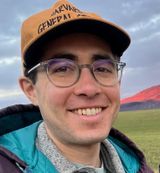
Just got settled in at a hostel in Erwin, TN, after a big 4 days, including 65 in the first 3. During this time, I’ve received the obligatory trail name: Tangent. My friend Bull, who I run into a couple times a week and is committed to the cause of finding my trail name, thought of it. I’ve accepted this trail name because:
- I do mathy stuff in the ”real world” and am interested in data of the trail out here
- I run off on tangents out here, in the form of ”blue blazes,” which are optional side trails, typically cool summits and viewpoints
- I like the word
- Not having a trail name is a minor burden
Hiker Food
This is the most common topic of discussion amongst hikers, and the source of the most questions from those back home. With nearly a month of experience under my belt now, I present my philosophy to eating while hiking.
Trail Specific Constraints
- Availability: easy food access is available every 20 to 100 miles. Therefore, you need to load up when you have the chance.
- Selection: even when you can get food, a full grocery store's selection is not always possible. Dollar General becomes a destination worth getting excited about.
- Weight: food is heavy, and you need to carry it all
- Volume: some food is compact and fits in your bag, some is very much not
- Quantity: you need more food when hiking than in normal life
My Guiding Principles
1 - Get the right amount
Too little and you risk injury, grumpiness, lack of energy and lack of fun. Too much, and you carry excess food. A little extra is good, but don’t go overboard
2 - Make lightweight selections
What defines food weight?
- Macronutrient Composition. Fat is 9 calories/gram, while proteins and carbs are a measly 4 calories/gram. When all else is equal, select the fat heavy option. For example, skittles (all sugar) are considered "heavy" while Reese's cups are considered mid to lightweight.
- Water. If a food has a lot of water (can of soup, apple, etc.), it should be avoided, while dehydrated, dried, and non-liquid based foods are lighter. Water is plentiful out here.
- Packaging. Heavy packaging should be avoided, especially because you need to pack out all trash until you encounter a coveted garbage can.
3 - Make low volume selections
This is most important whenever you have to carry many days of food, but pack space is limited and should be accounted for. There are lots of little tricks people use, the most amusing I've encountered is crushing bags of chips and eating with a spoon. Dehydrated meals are notoriously voluminous.
4 - Consider Nutrition
Hiking is a time where "hiker-trash" food should be enjoyed, but making an effort to keep healthier things in rotation is important, especially when you make the reckless decision to do this for nearly half a year. My particular type of compromise involves lots of oats, dried fruit, nuts, nut butters, healthier bars, and jerky, but also a healthy dose of snickers and m&ms.
5 - Make sure it tastes good
Eating is such a big part of hiking, make sure you like what you are eating. Fat tastes good, so you can always find something that works.
6 - Timing is important
Not all foods belong at all times of day. Hiking lives on all parts of the spectrum between strenuous cardiovascular activity (carbohydrate intensive) and leisurely walking (doesn't really matter what you eat for fuel). If you have a full pack, and a 3000 foot mountain to climb, sugars and simple carbs have their place. If you are making a low effort descent at a slow pace, leaning more on fats for fuel is fine.
And while you can read any opinion you want on protein, getting a healthy dose for recovery (with carbohyrates) after intense exercises seems to be a conscensus good decision to make.
7 - Be healthy in towns
You don’t need to be a hero, but order a salad, eat an apple, snack on some baby carrots. Then eat the burger. If you didn’t eat enough on trail, enjoy filling in the gaps when in civilization.
What does this look like in Practice?
Breakfast
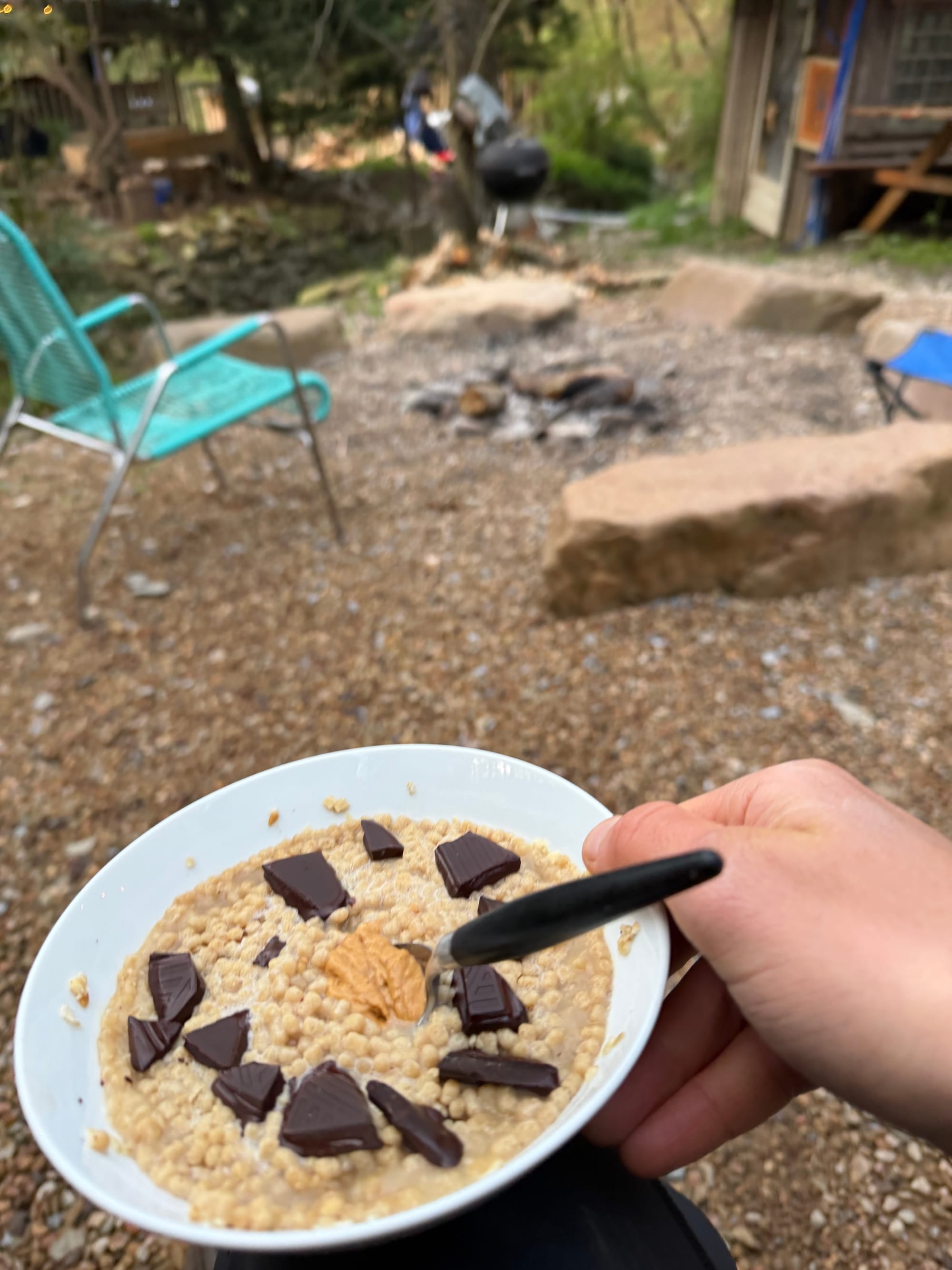
I’ve yet to have a bad outcome from eating too much breakfast. More is better. It’s a great opportunity for my most normal meal of the day, and to put a lot of healthy things in the body. I typically either make overnight oats the night before, or hot oats in the morning. Almond butter, peanut butter, dried prunes, raisins, dark chocolate, chia seeds, flax seeds, protein powder, and other ingredients have made appearances in my oatmeal.
During Hiking
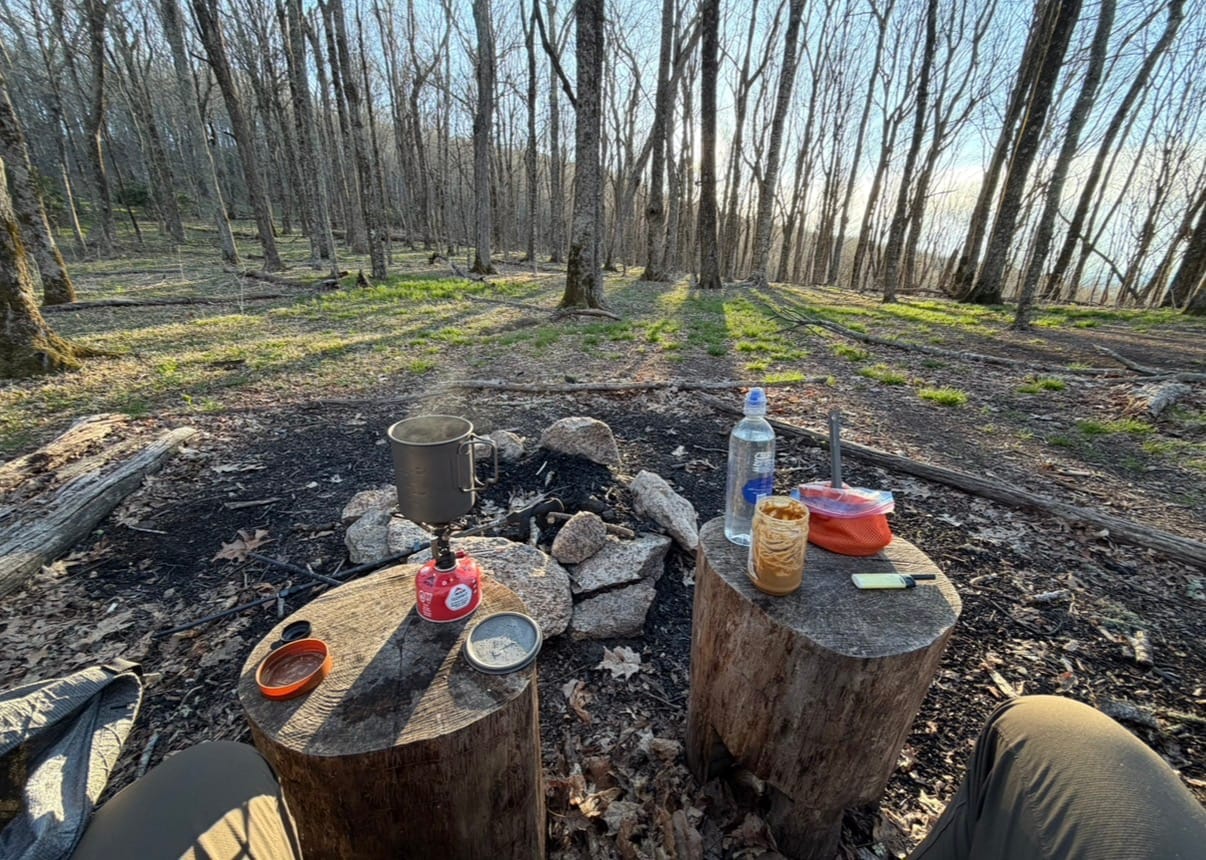
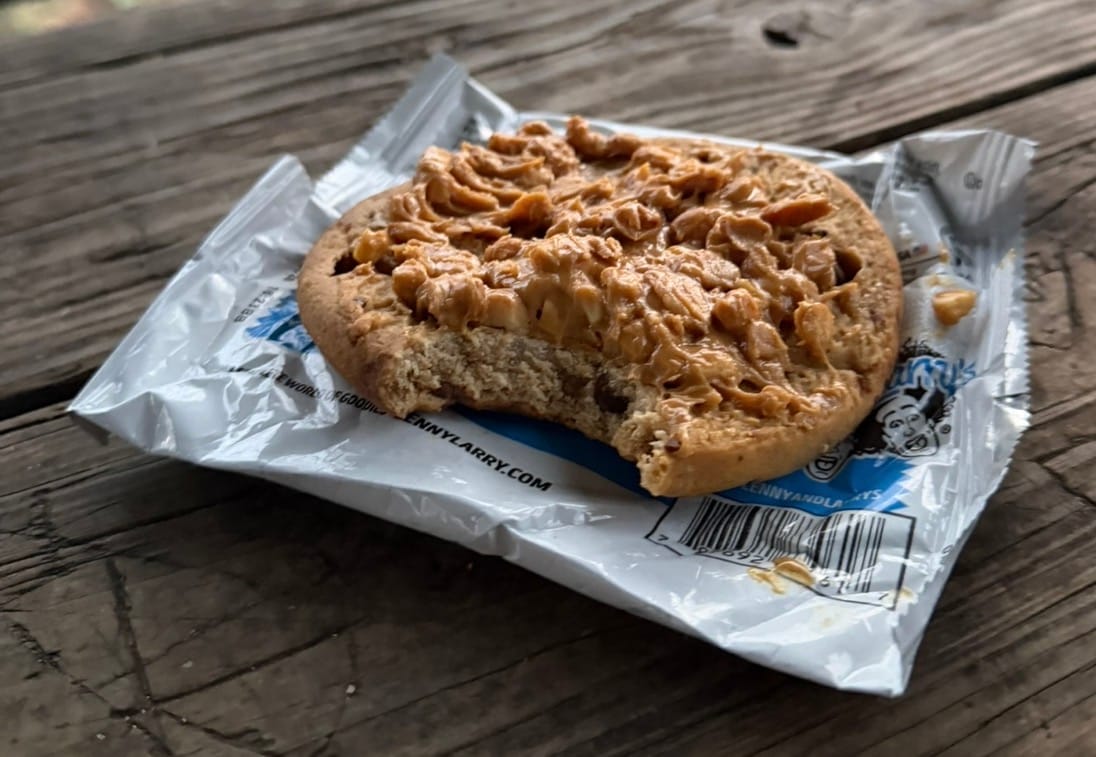
Whenever hunger kicks in, it’s time to eat. this depends on intensity, elevation profile, and timing/quantity of prior meal. Typically a longer stretch to start the day and every hour and a half afterwards. Generally, a meal should have some of each of: fat, complex carbs, fiber, sugar, and protein.
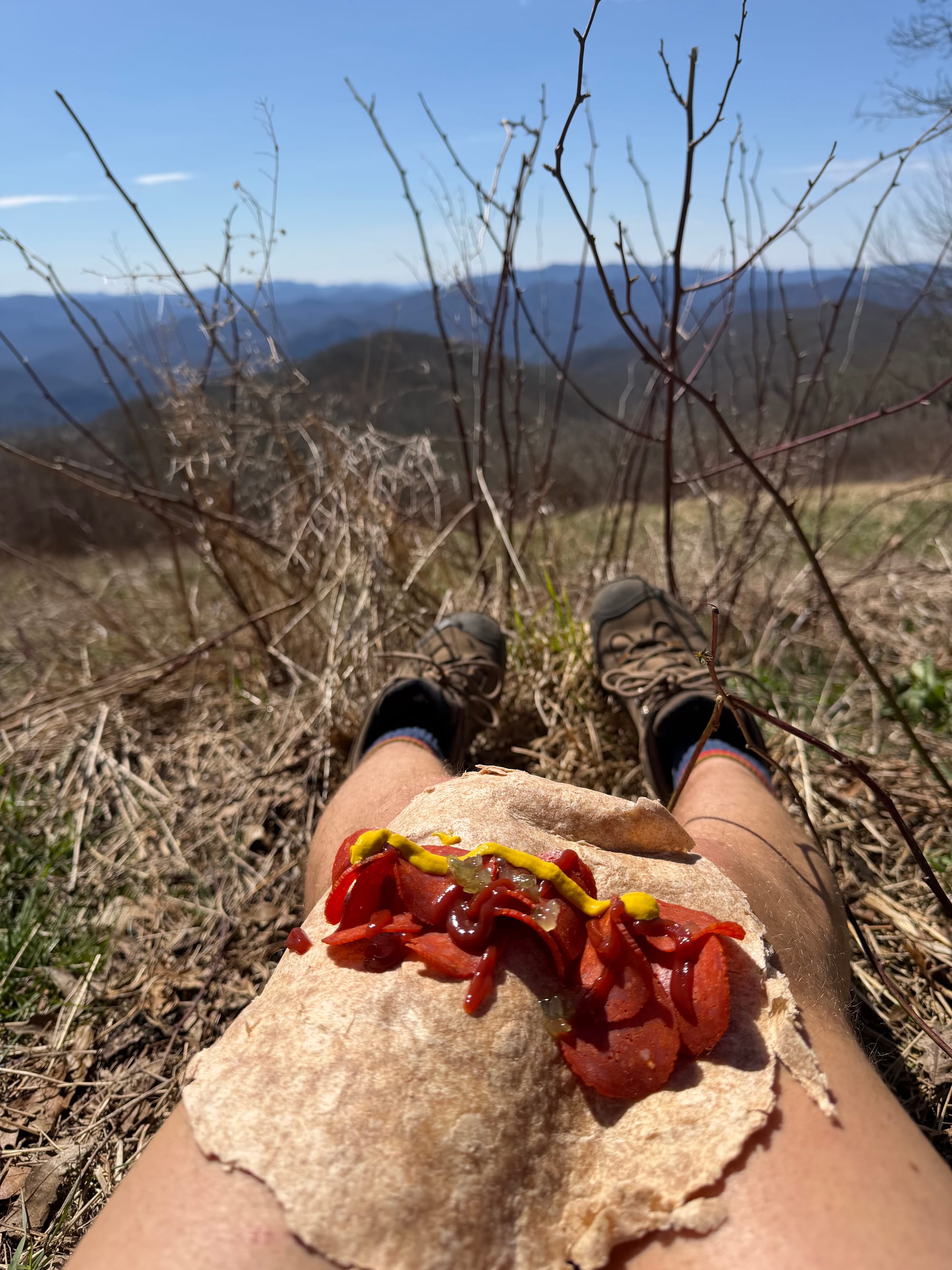
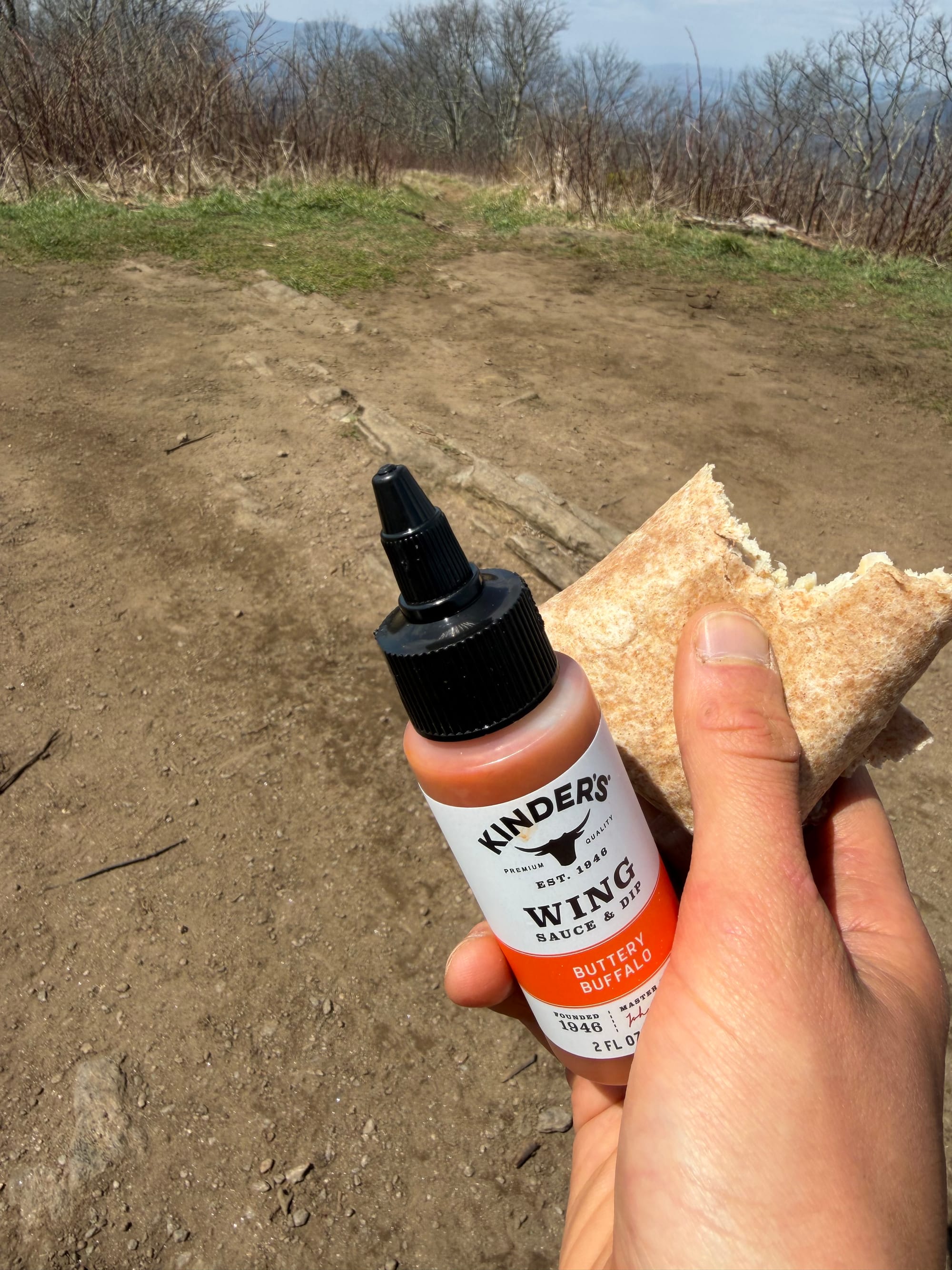
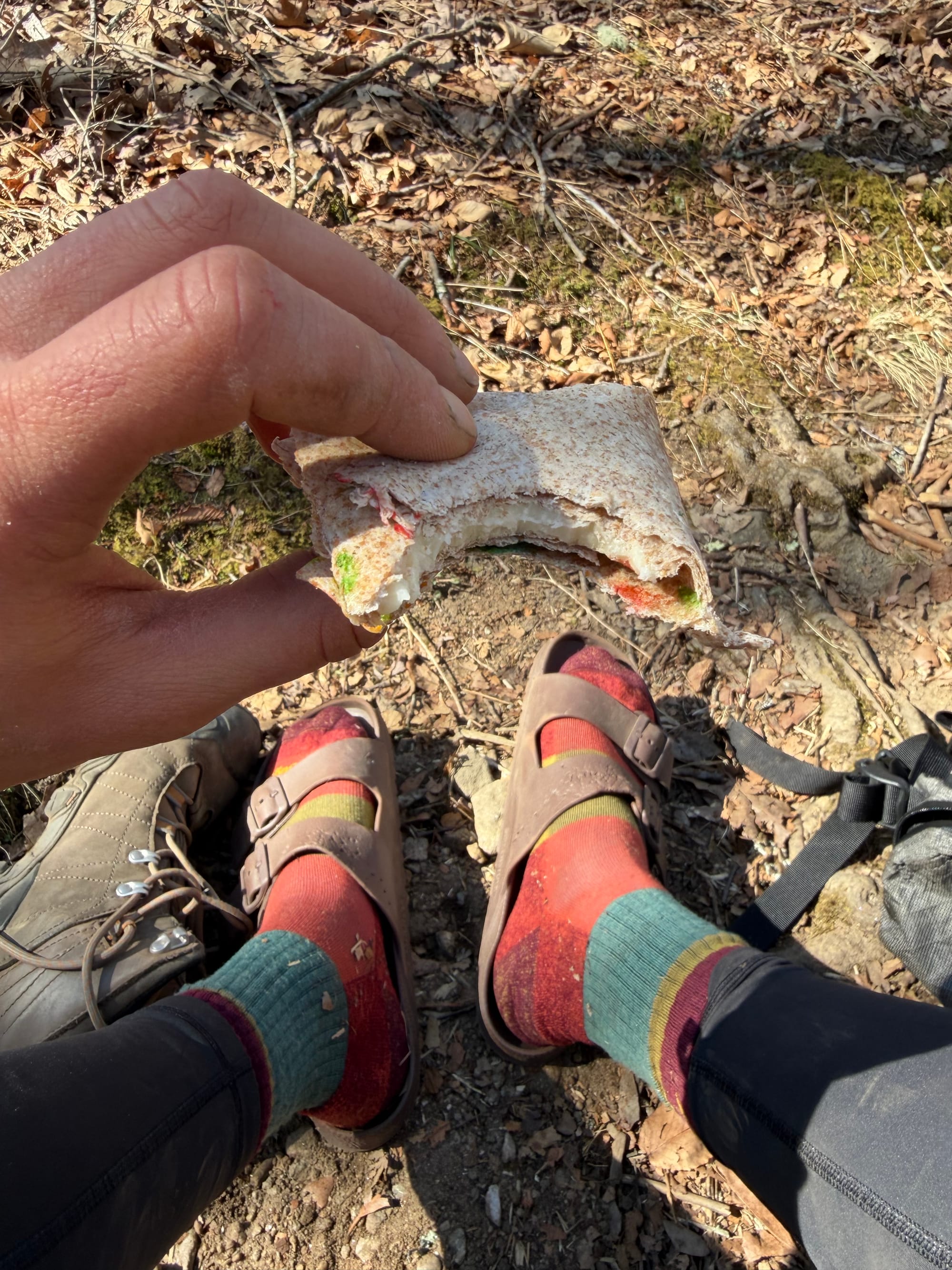
Whole wheat wraps are a big part of my diet, they can be filled with salmon, tuna, cheese, etc. They even feel healthy. Hot sauce is huge.
Other classic “meals” include:
- Homemade trail mix, typically including nuts (pistachios, almonds are my favorite), dried fruit (prunes, cherries, raisins, dates), and m&ms
- Bars (cliff, rx)
- Beef stick and a candy bar
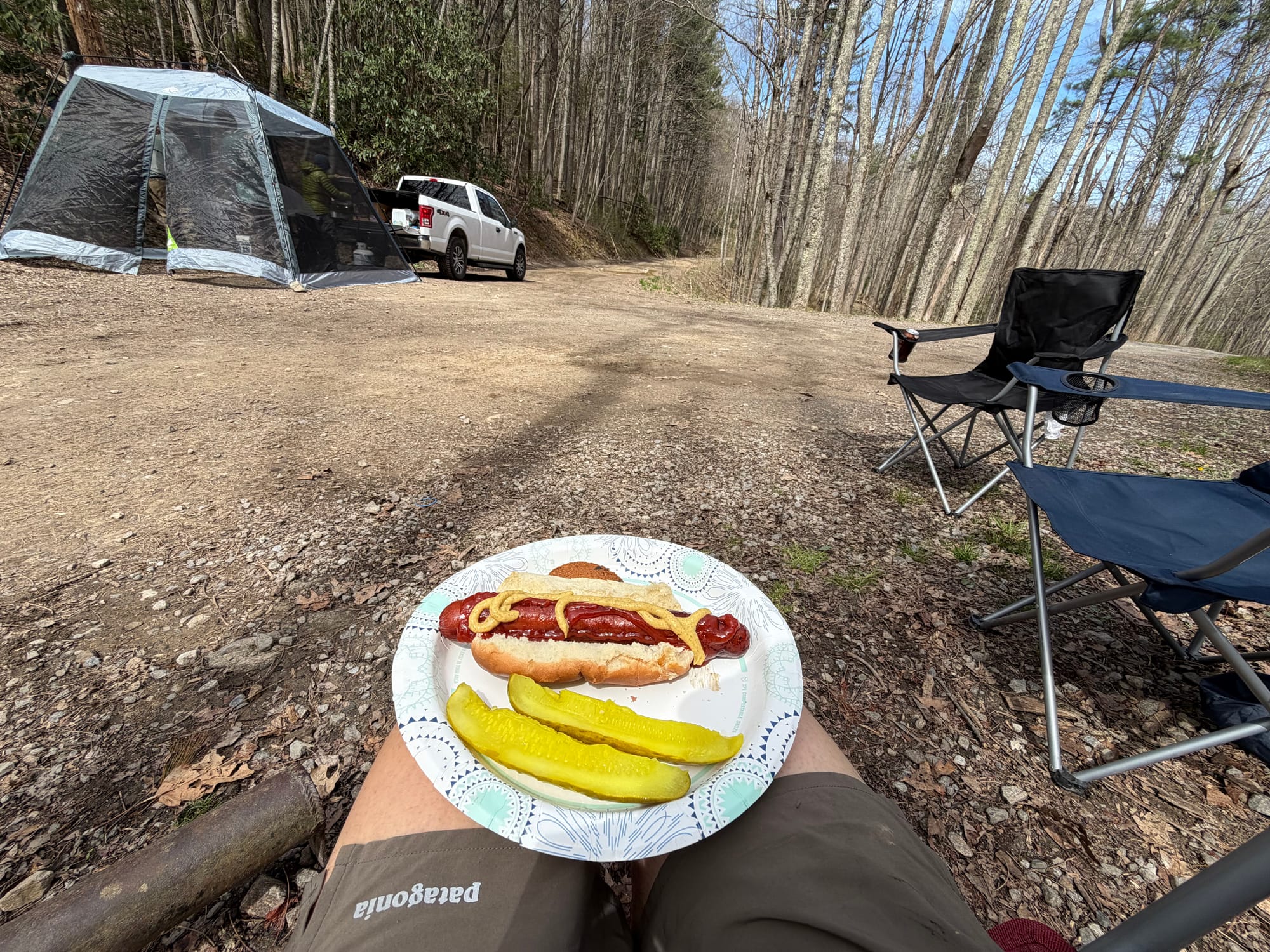
Dinner
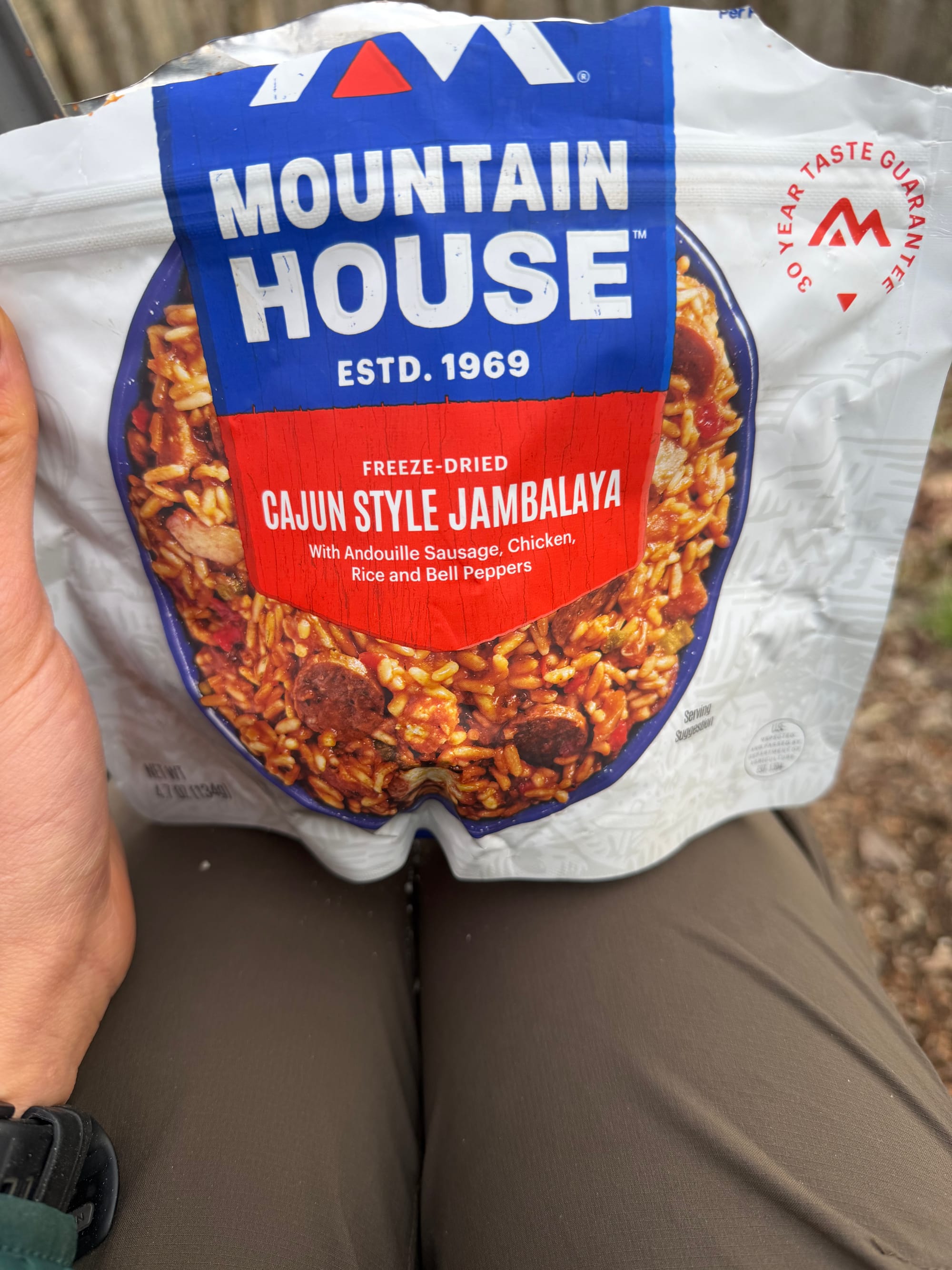
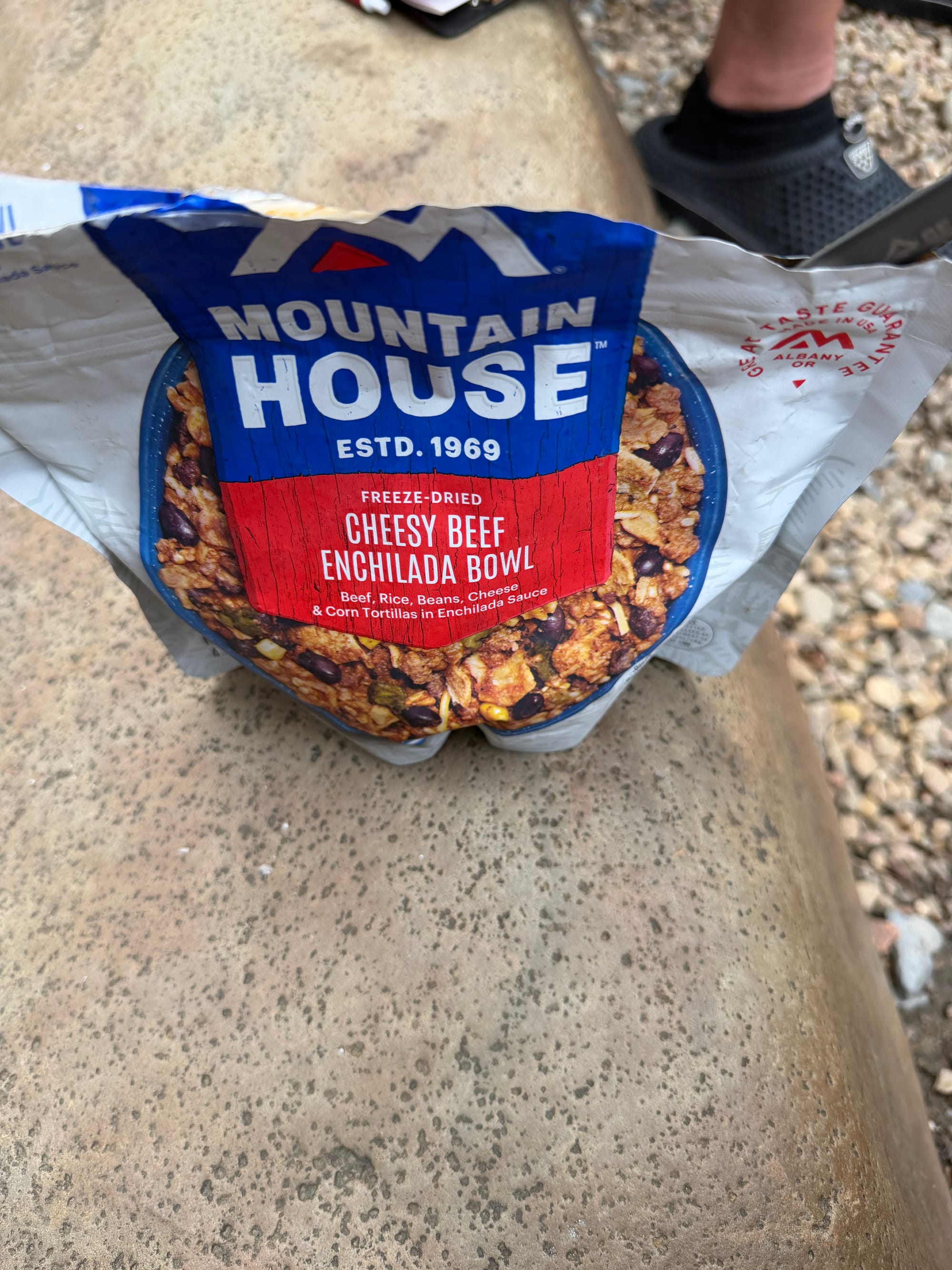
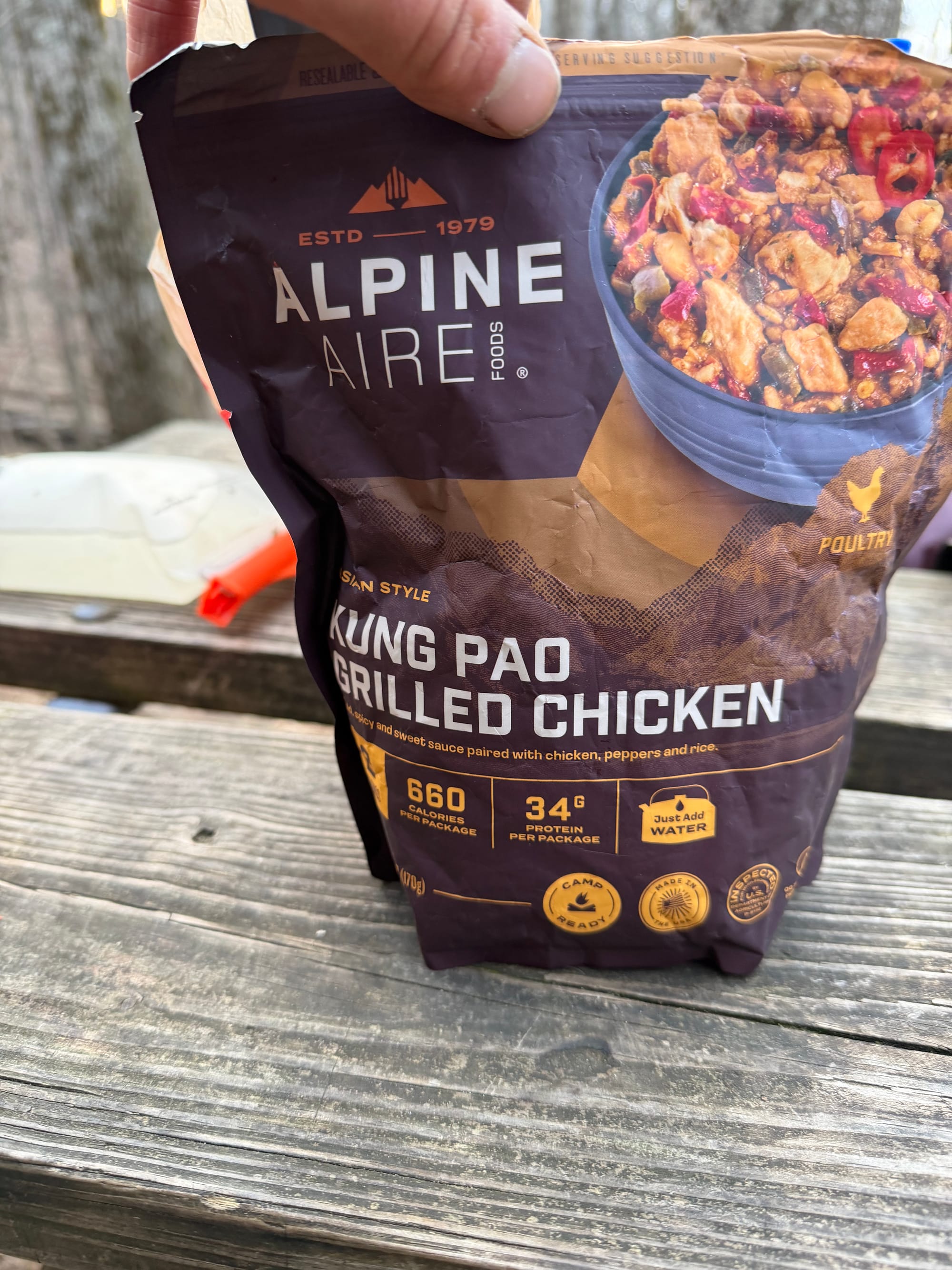
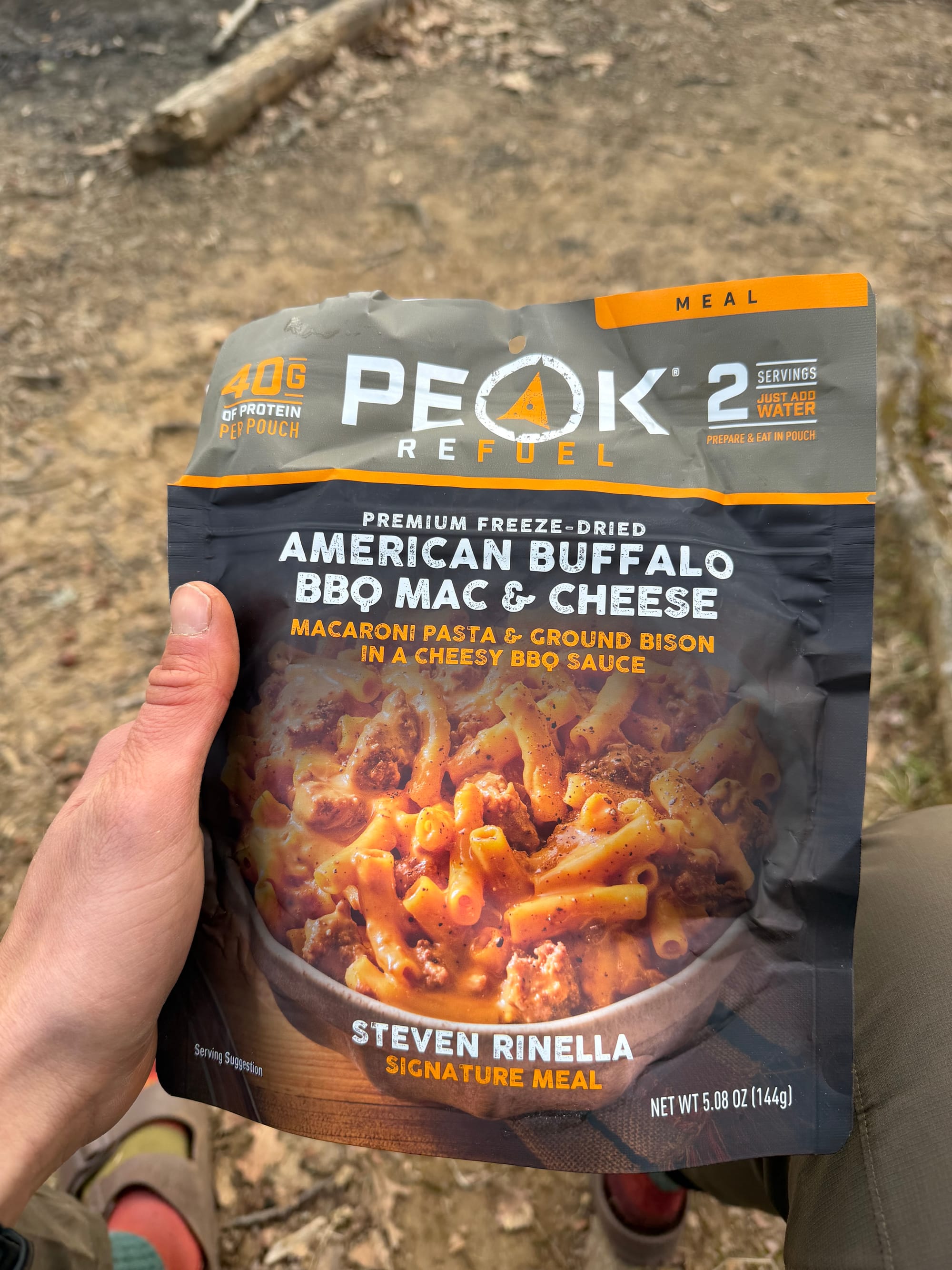
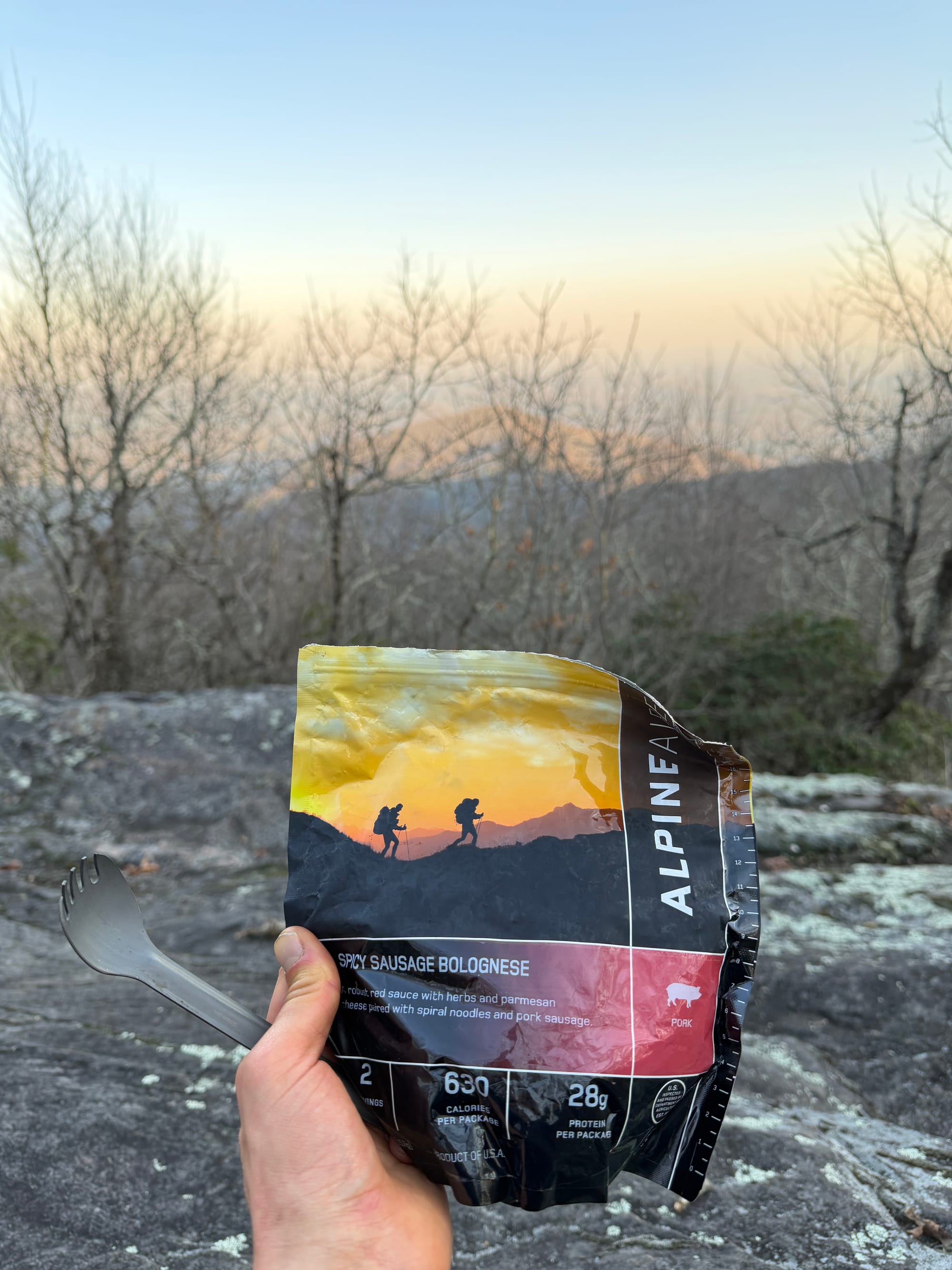
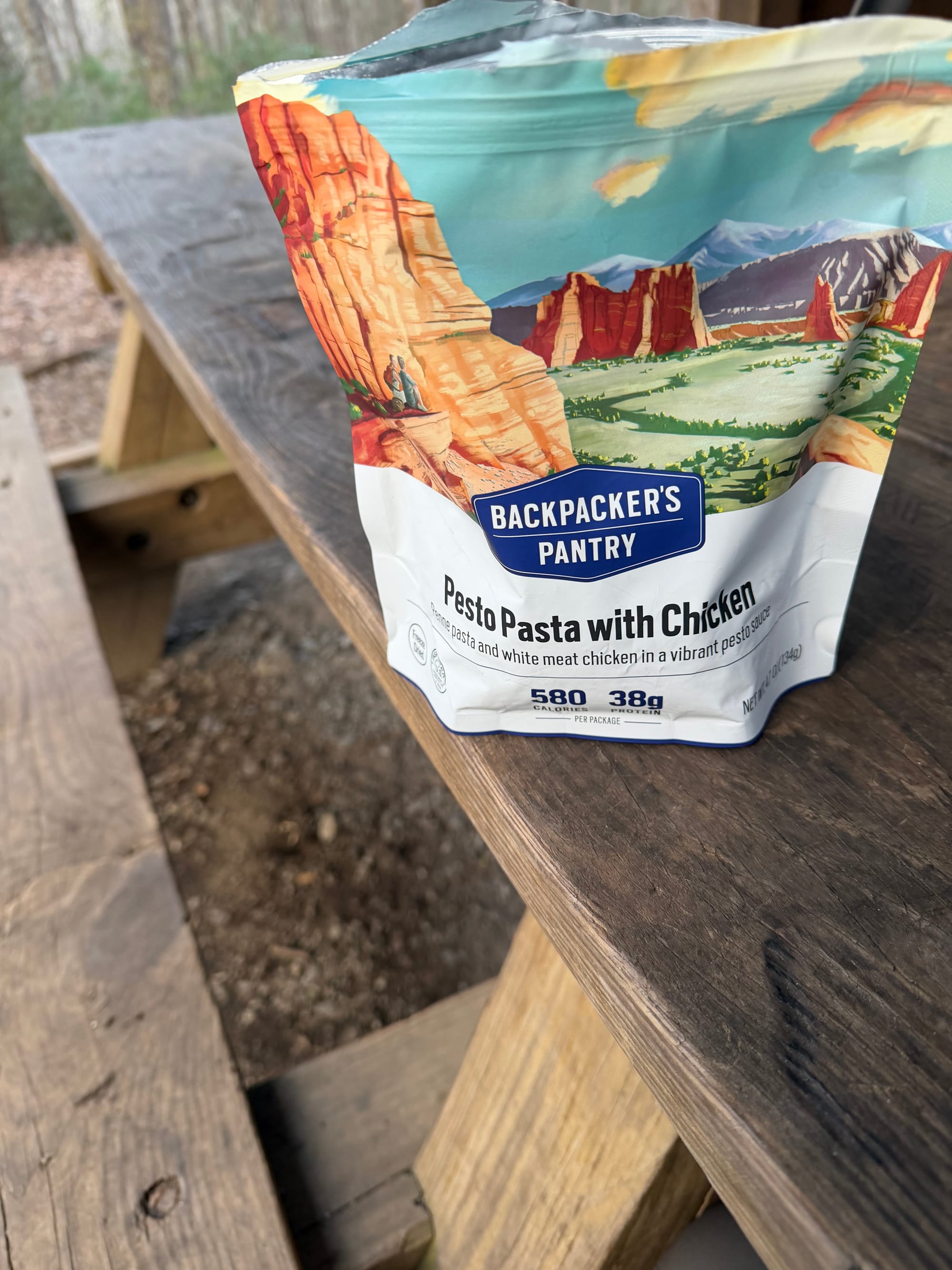
This is the part of the day where major sacrifices feel like they are made. In order to prevent going crazy, something hot and resembling real food feels important. Cue the entrance for dehydrated dinners. They take a lot of space, don’t taste amazing, are expensive ($13 is a good price), but they scratch the itch. Add too much water, and you get soup, add too little, and your “pot roast” is crunchy. I’ve explored many of them, and will continue to due so. My major learning is that meals that are typically soupy/brothy translate best to the dehydrated format. My favorites are tomato based, like “Enchilada Bowl” or “Spaghetti with Meat Sauce.” I like adding extra cheese.
Some favorite memories and photos
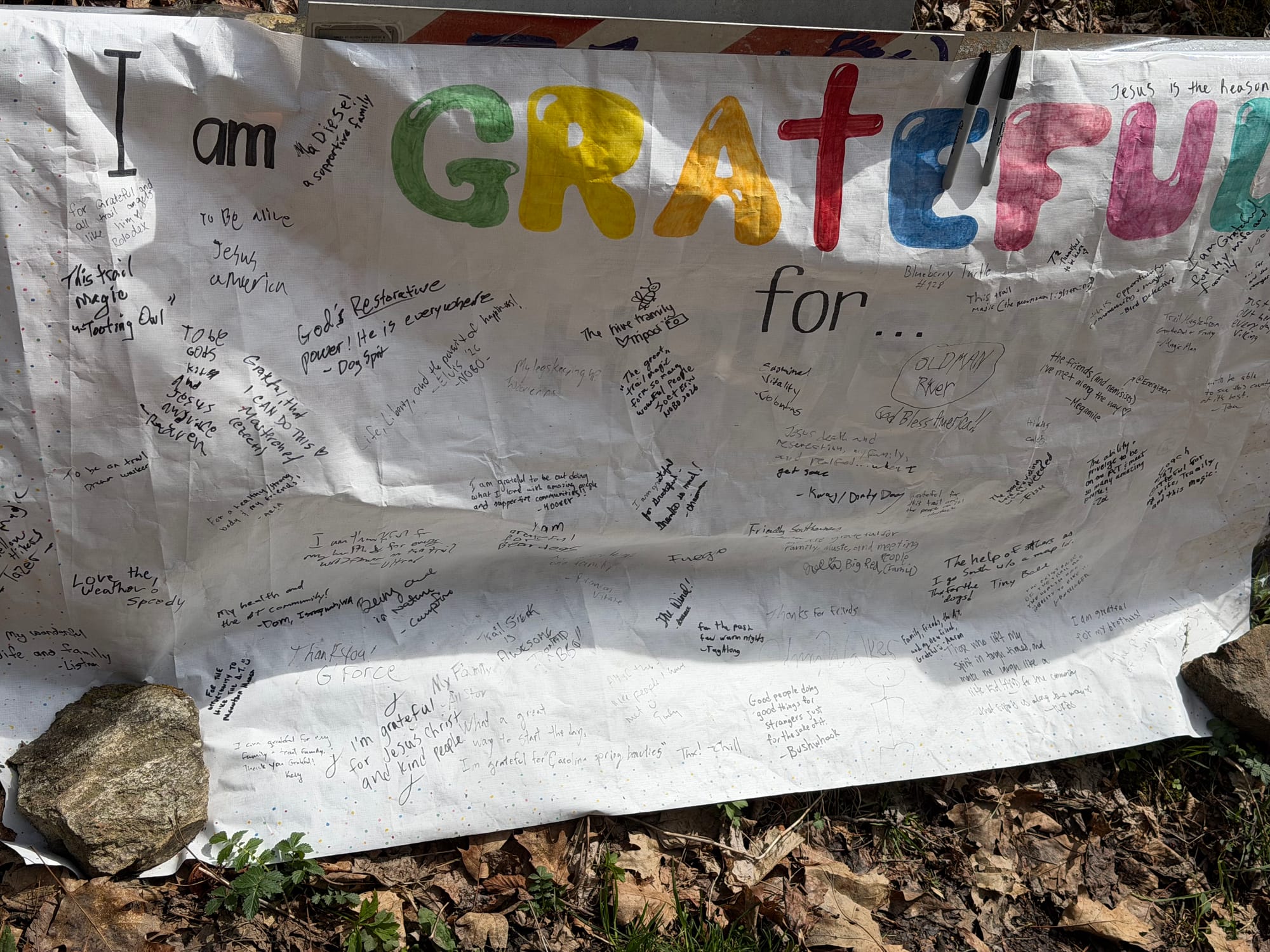
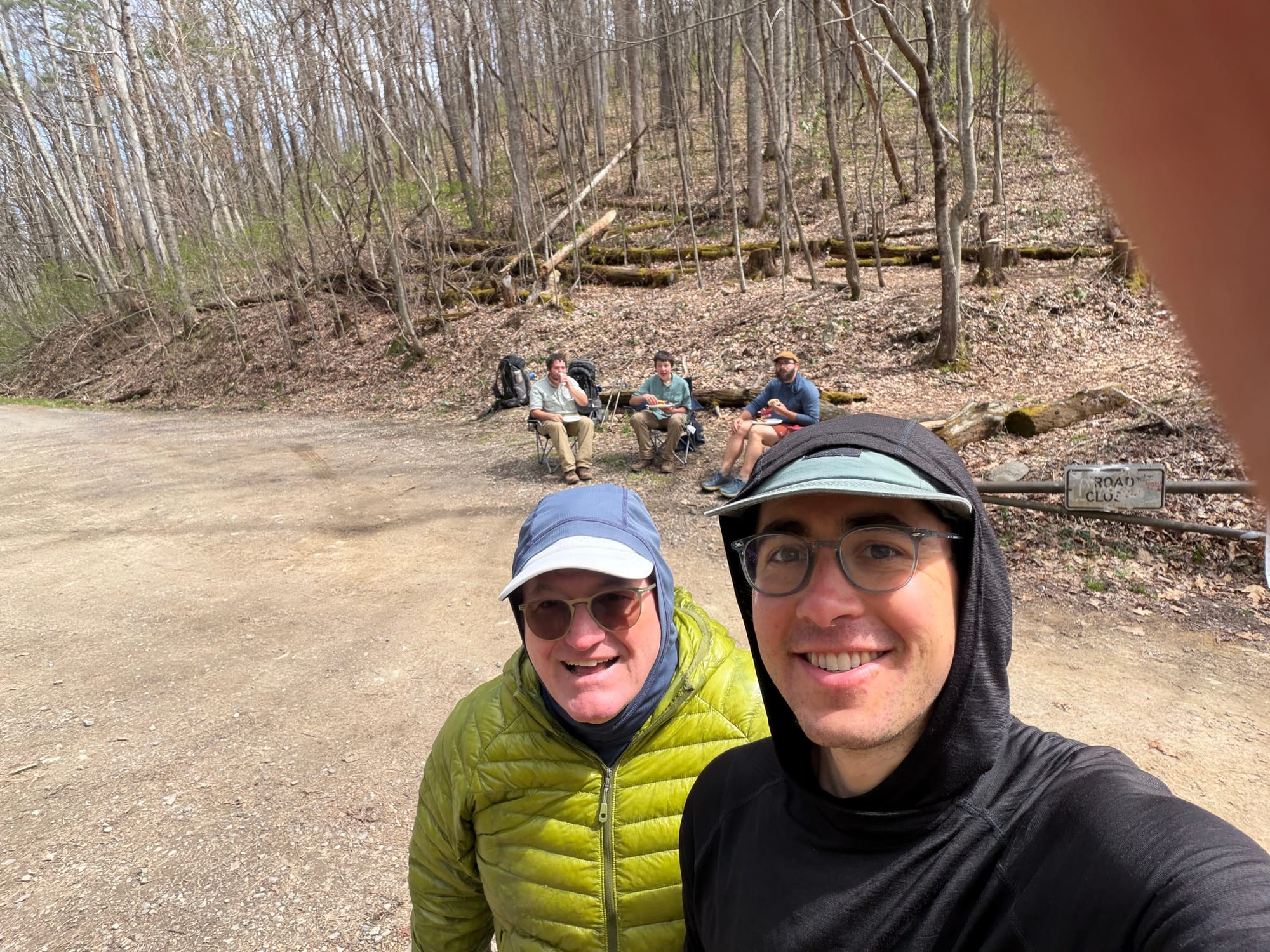
Trail magic from a man named Grateful, who has thru hiked the entire AT with his kids and wife, while they homeschooled their kids
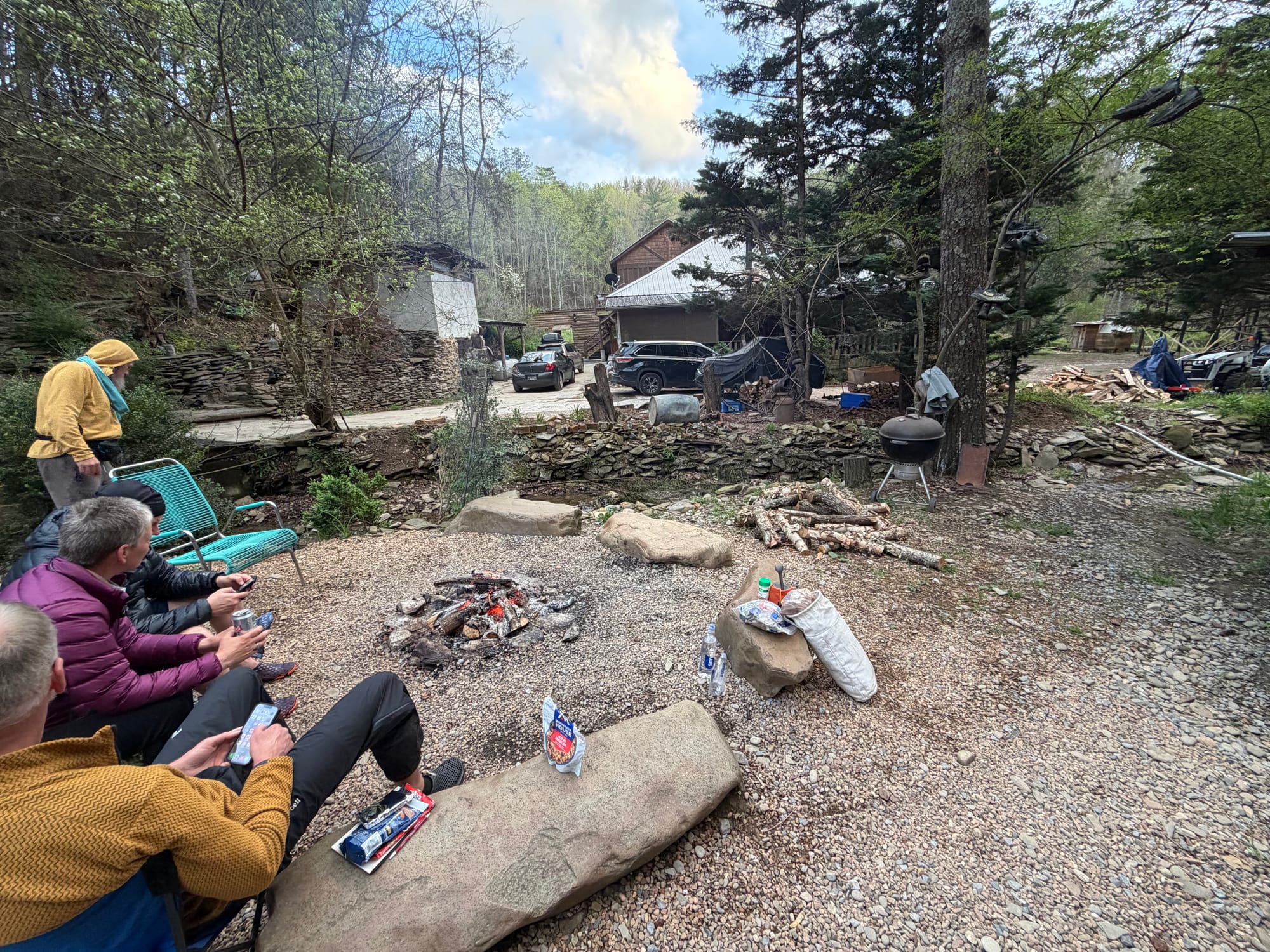
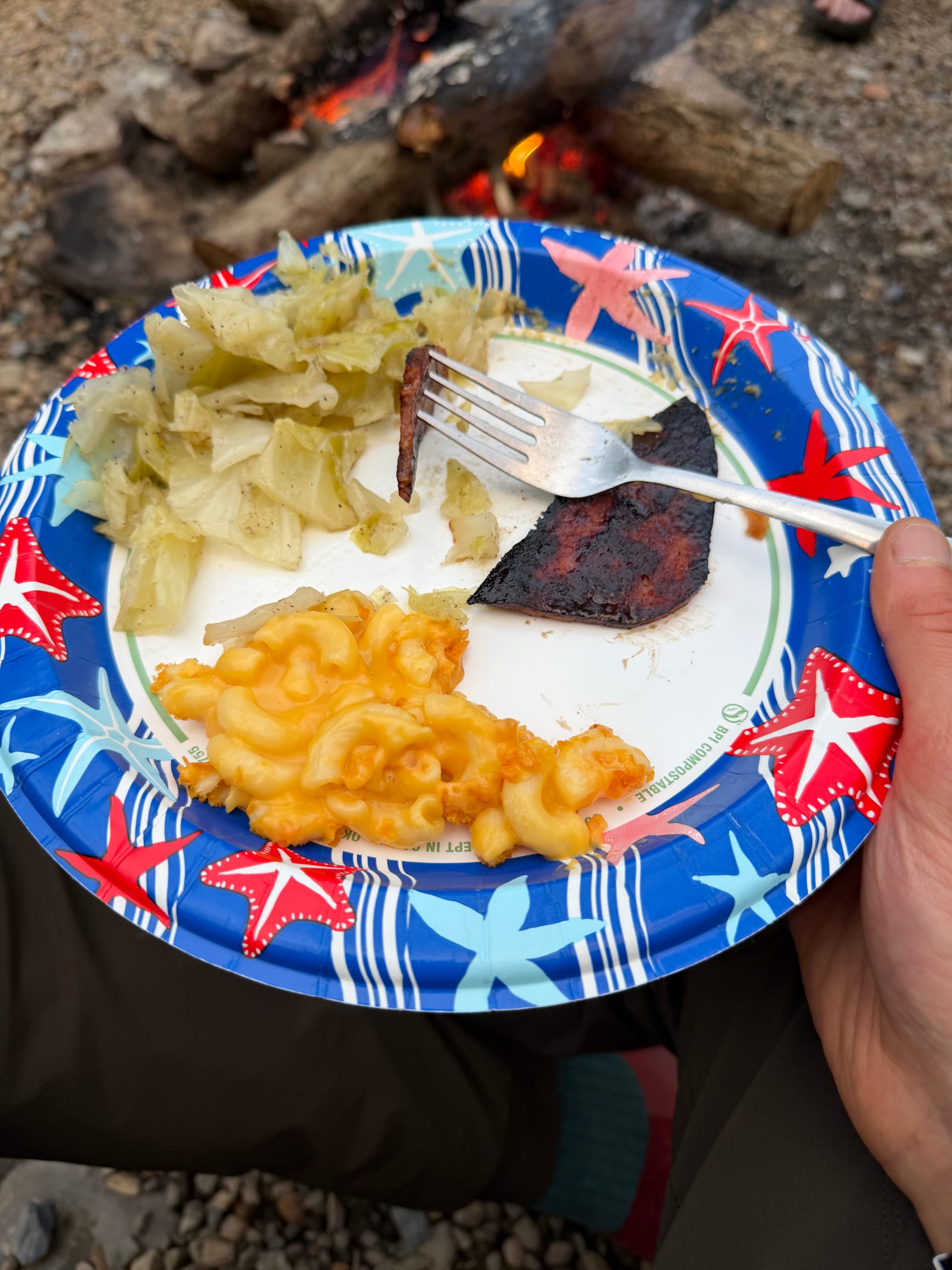
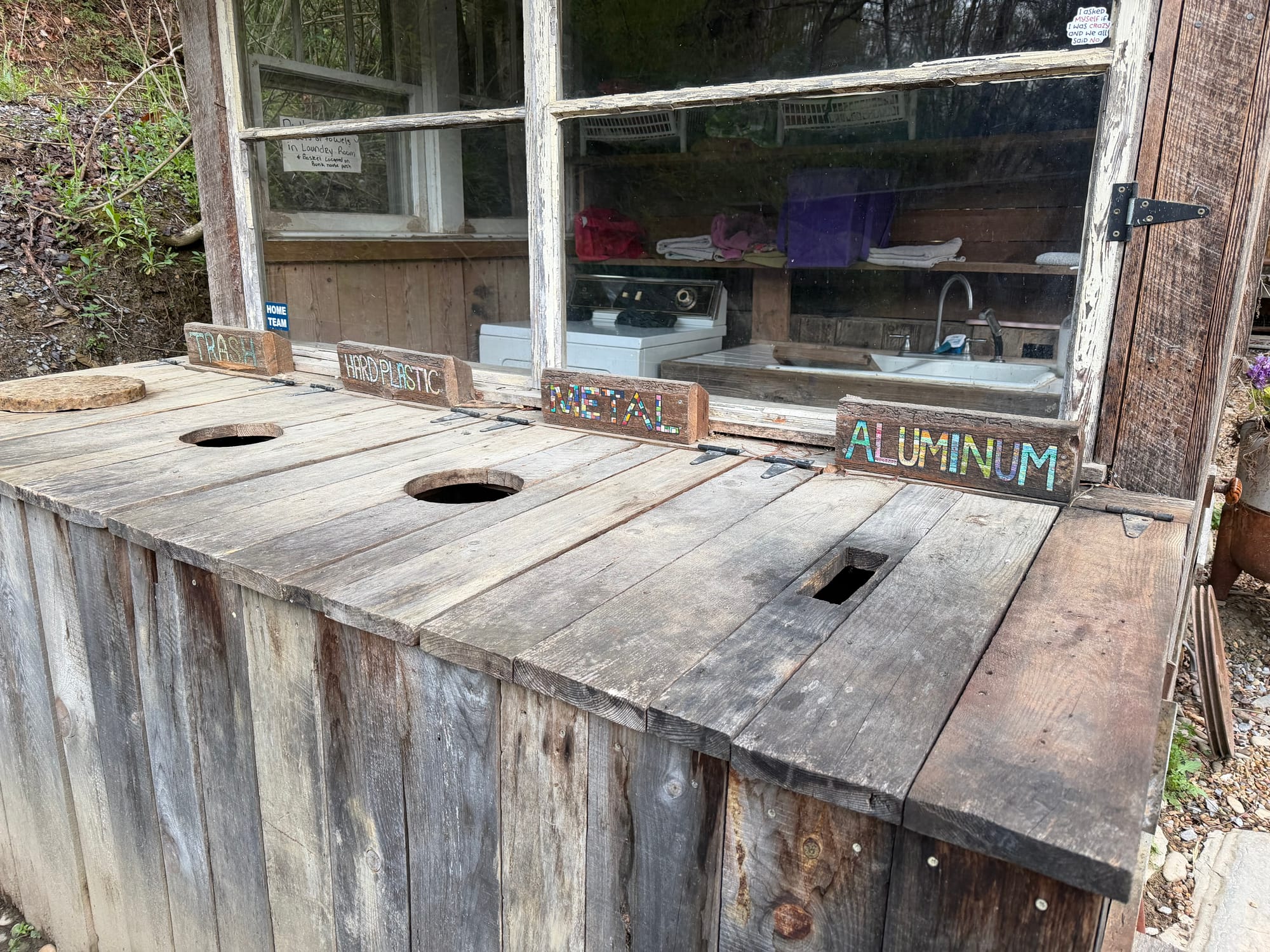
Nice night at Standing Bear Hostel/a surprise free Easter dinner
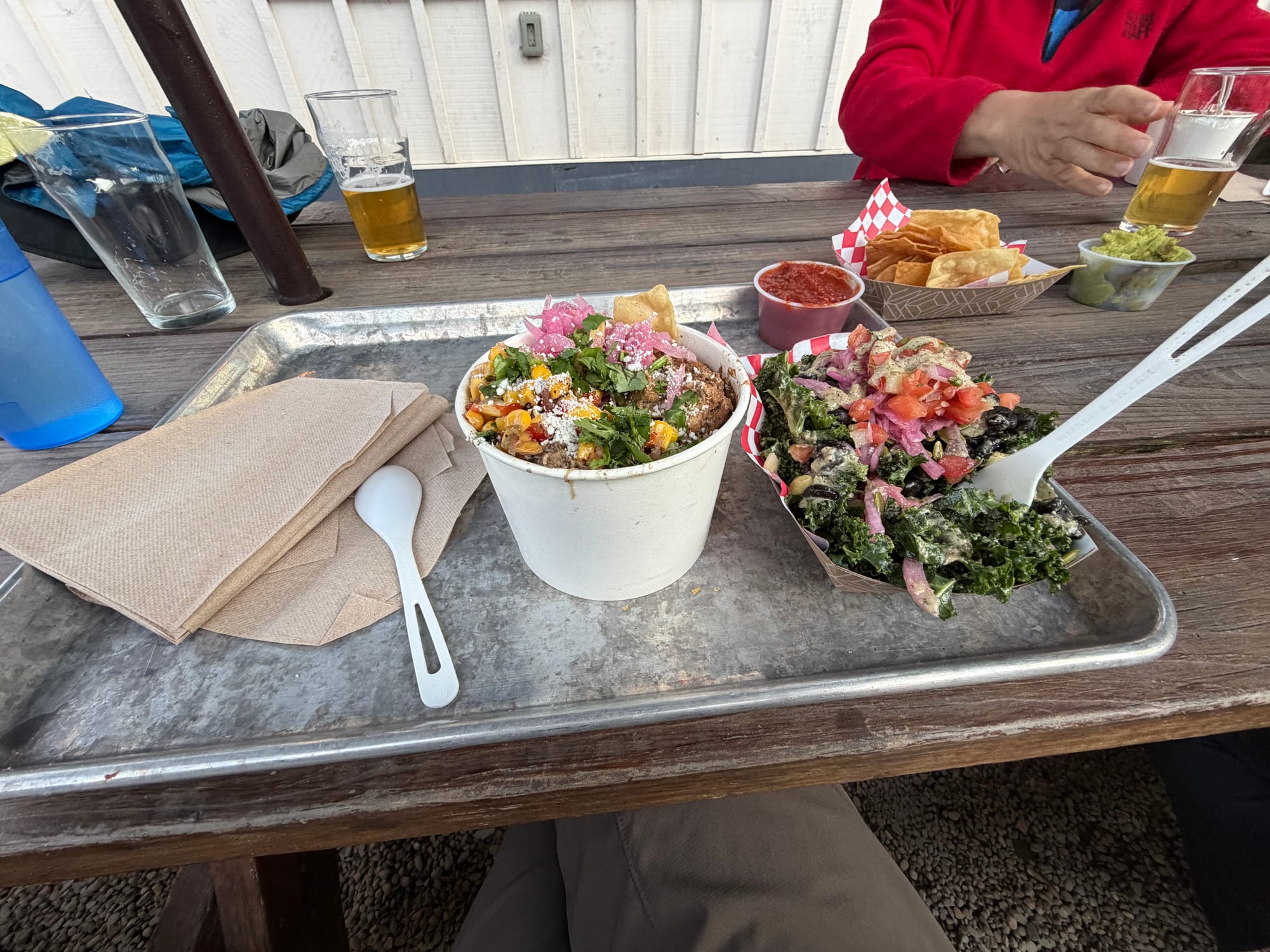
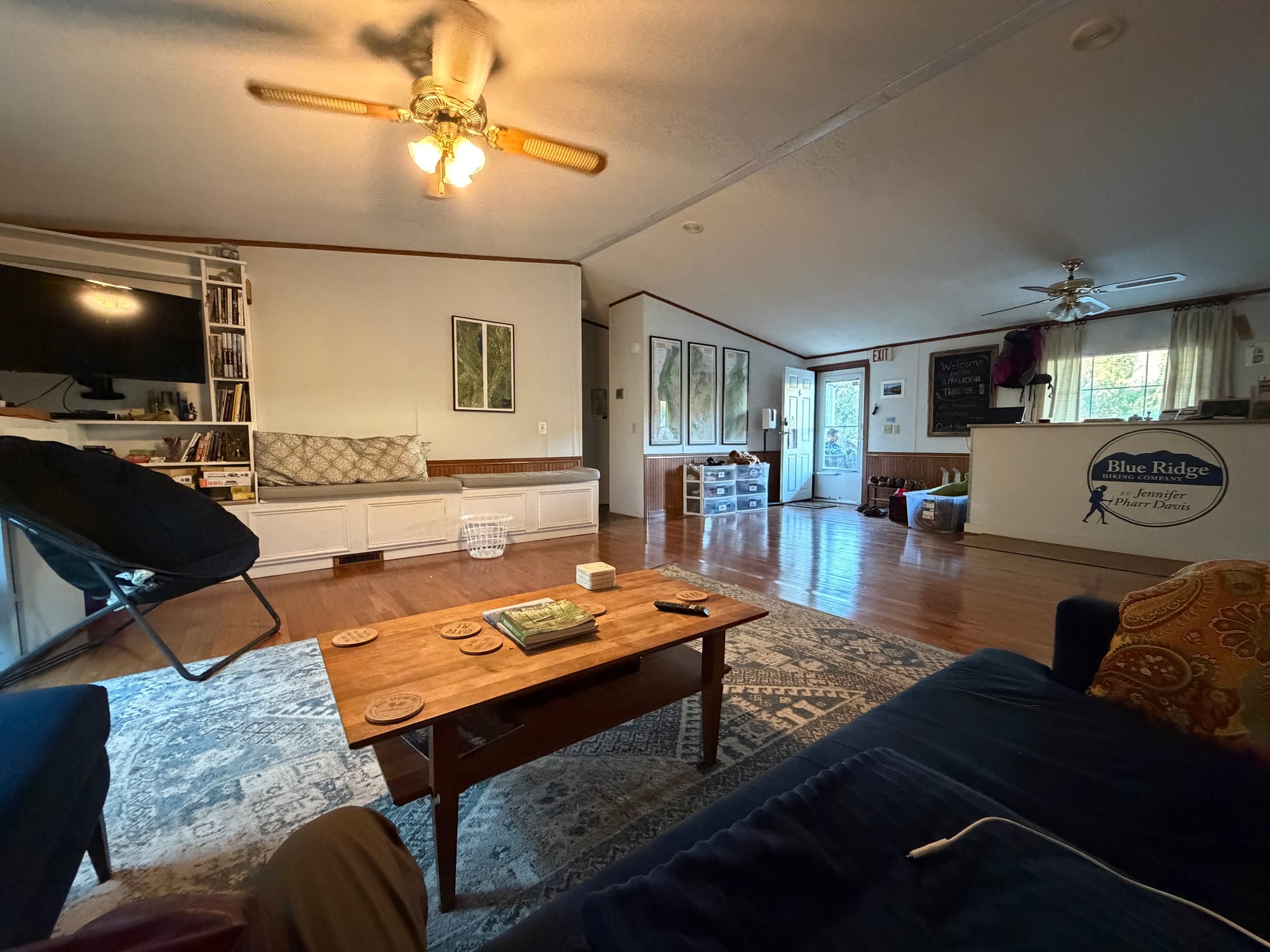
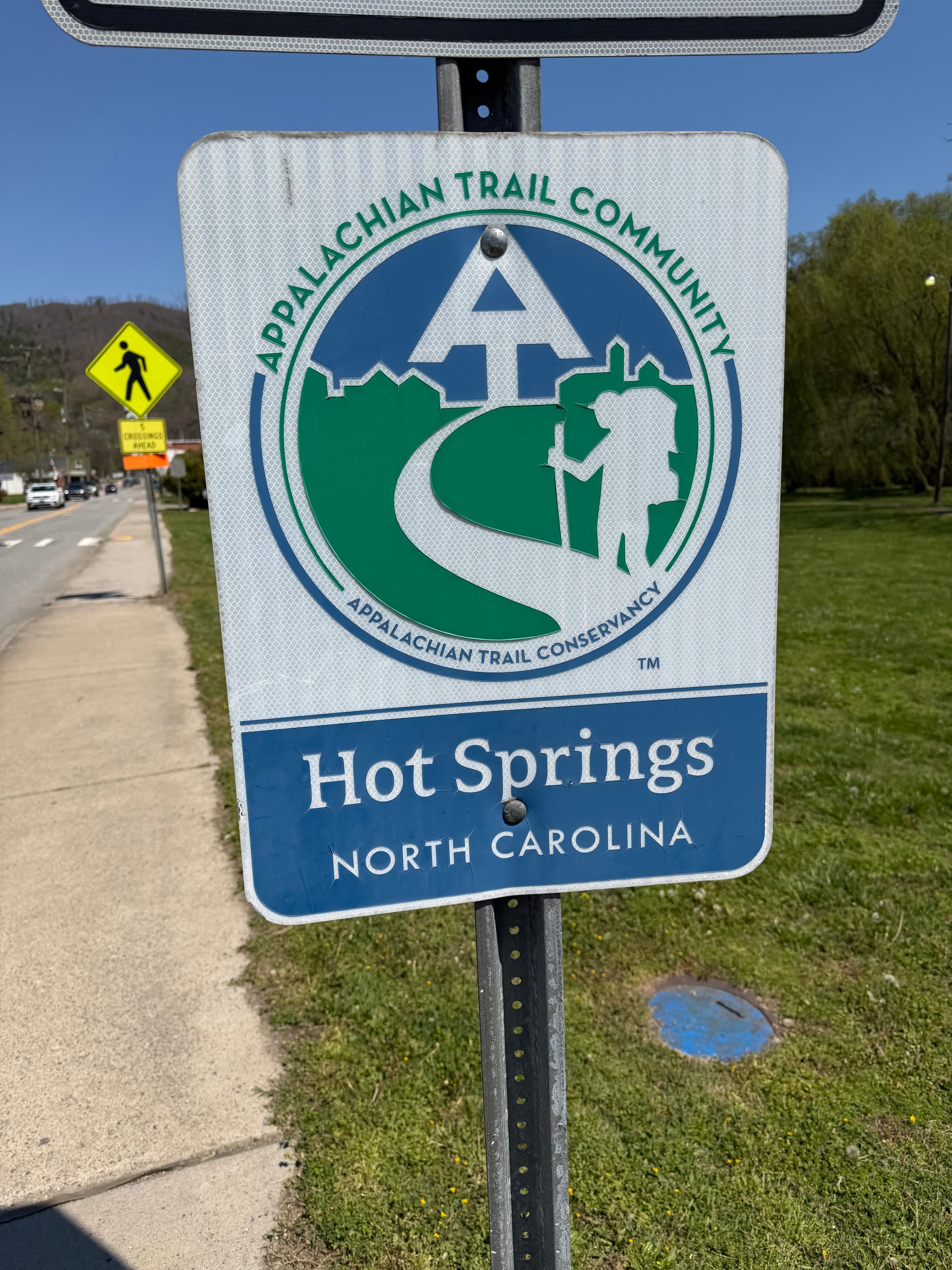
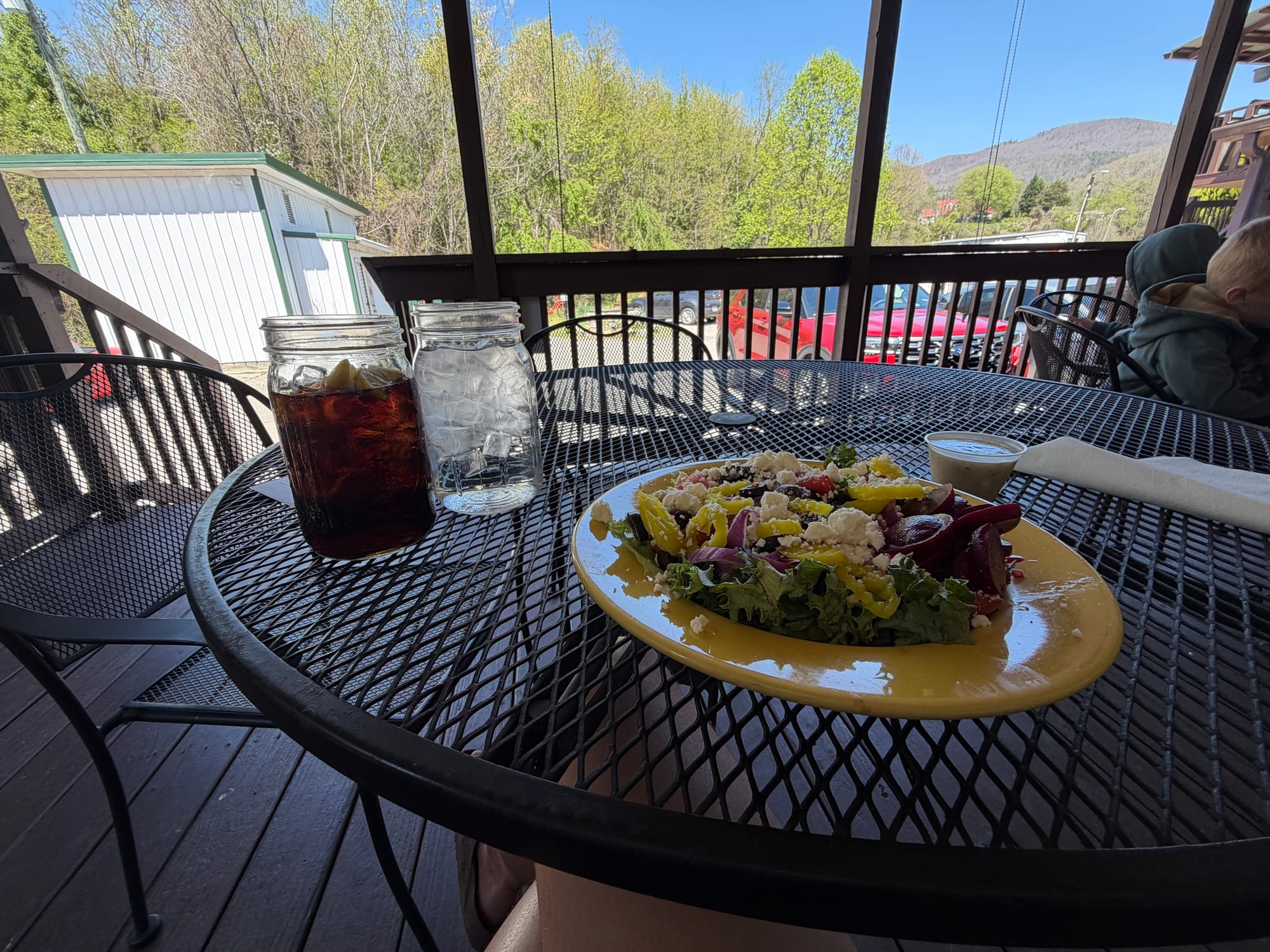
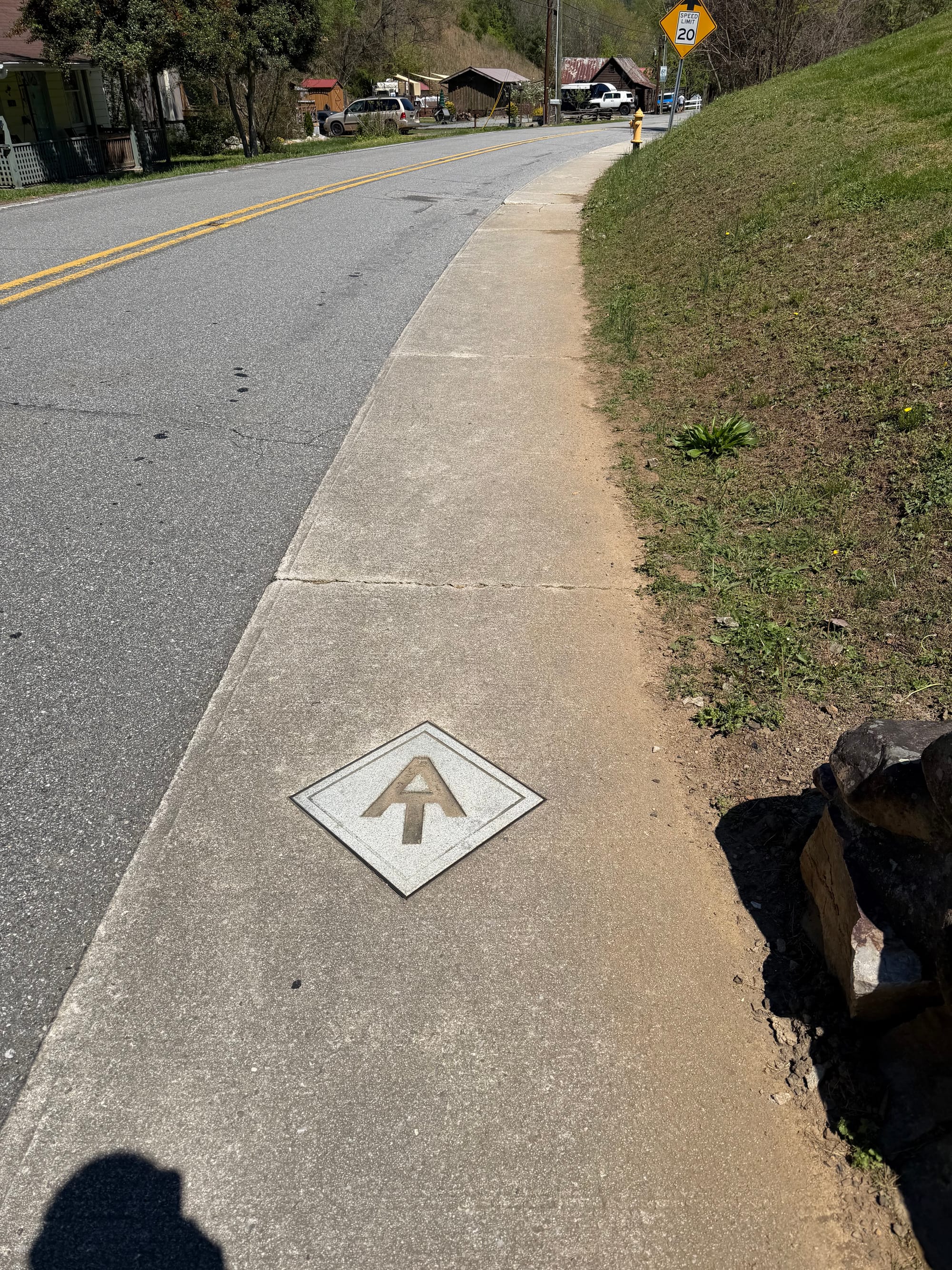
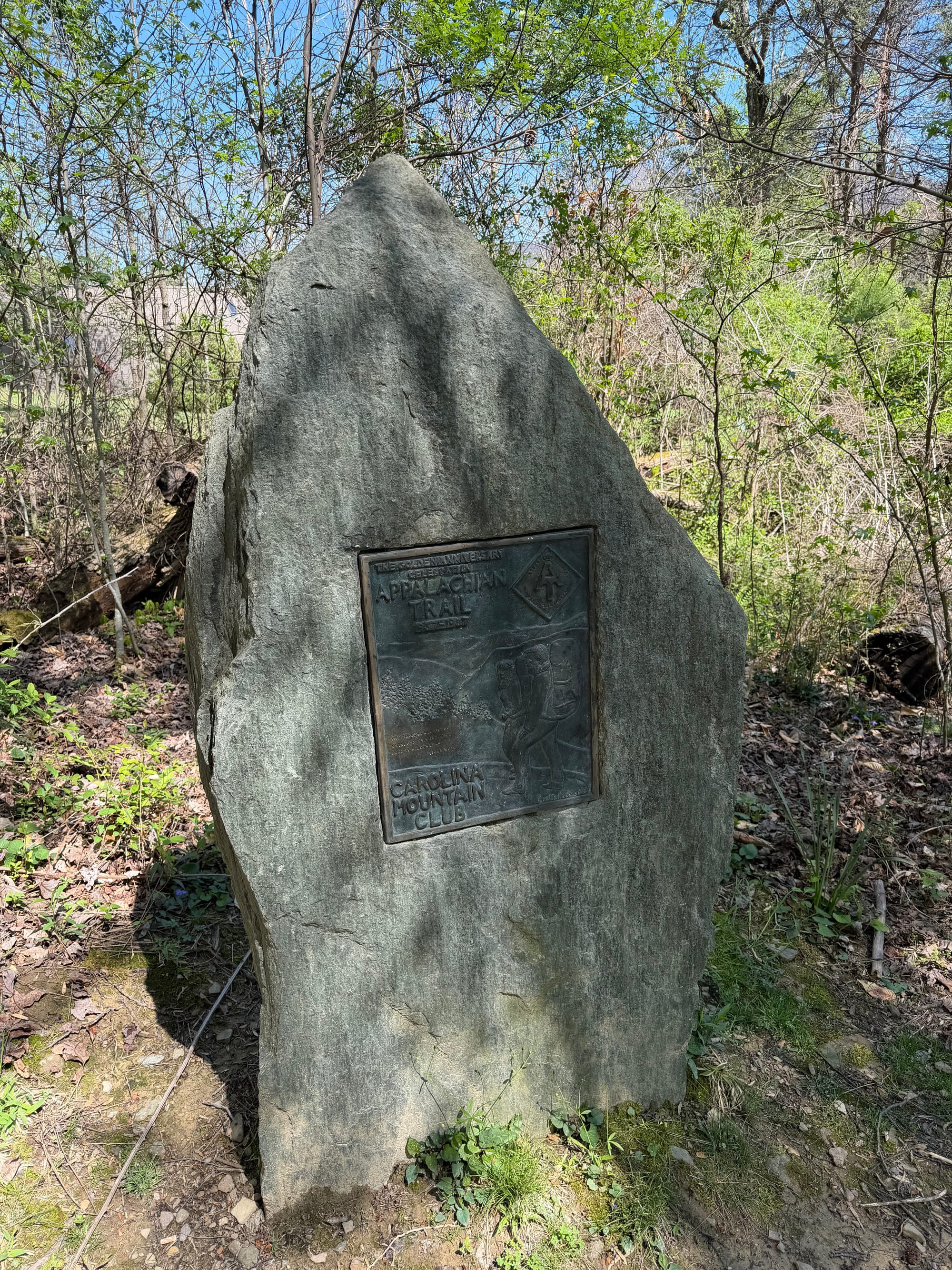
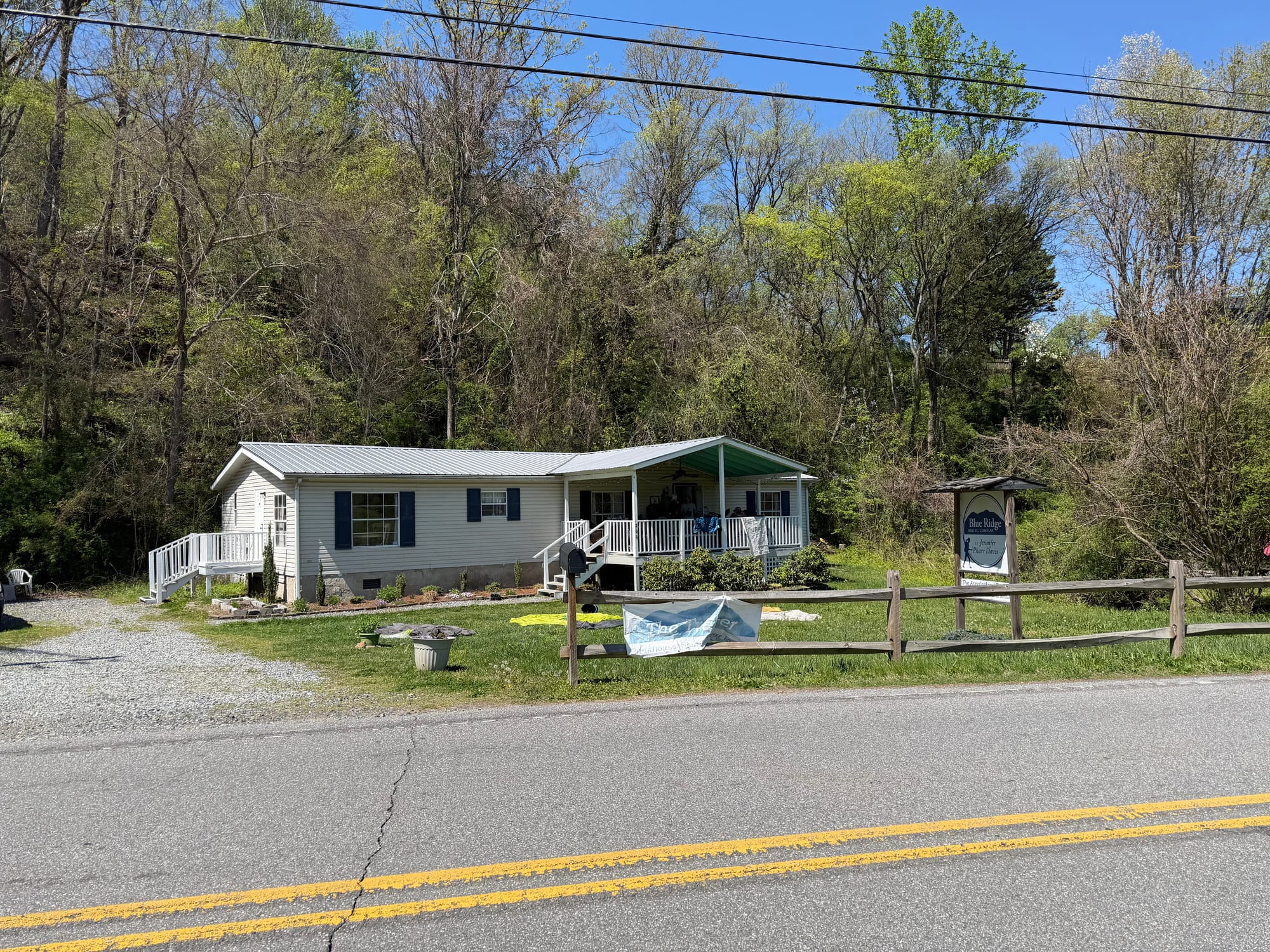
Zero day in Hot Springs NC at the Appalachian Trail-er hostel. The trail goes straight through the town.
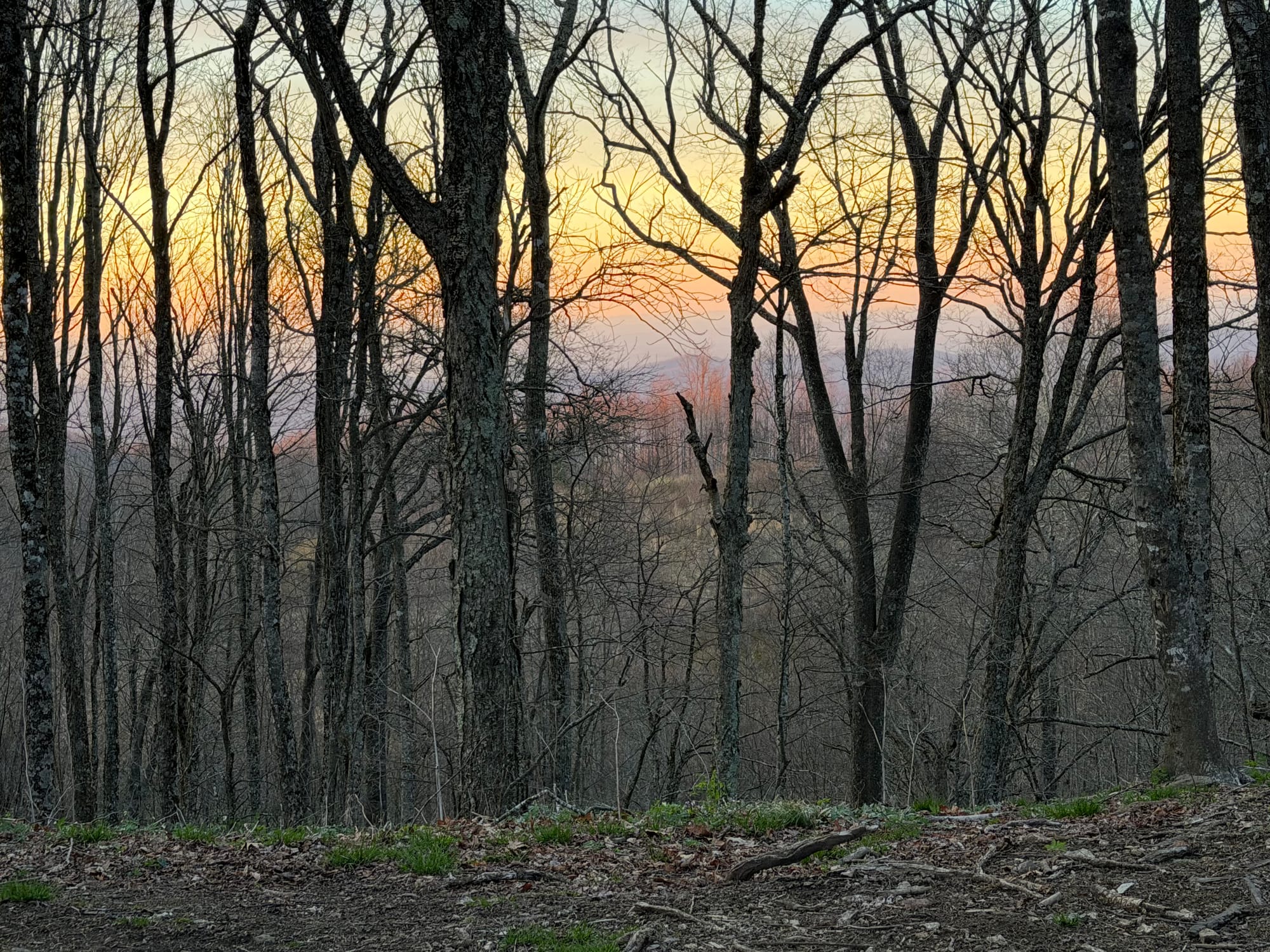
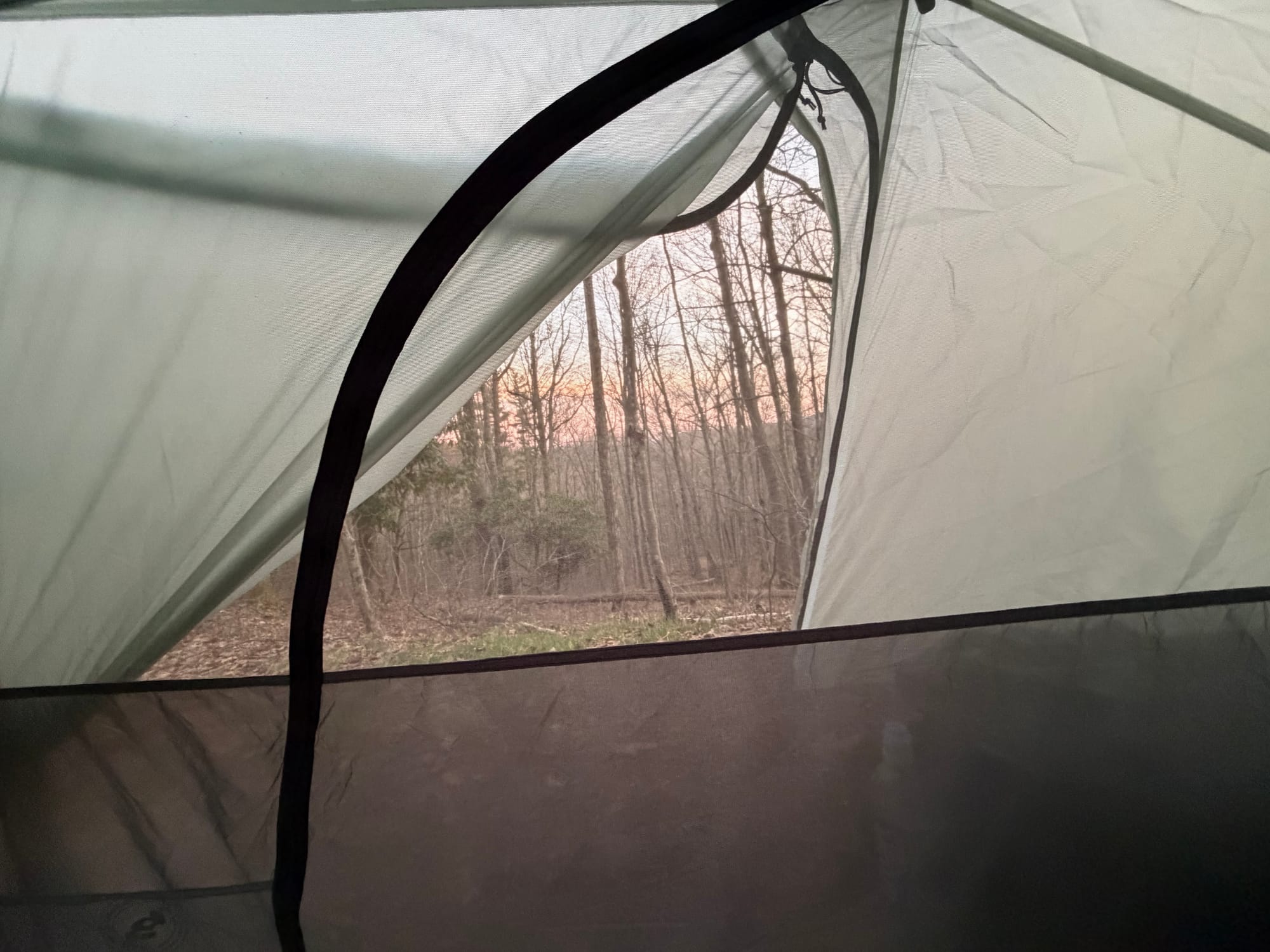
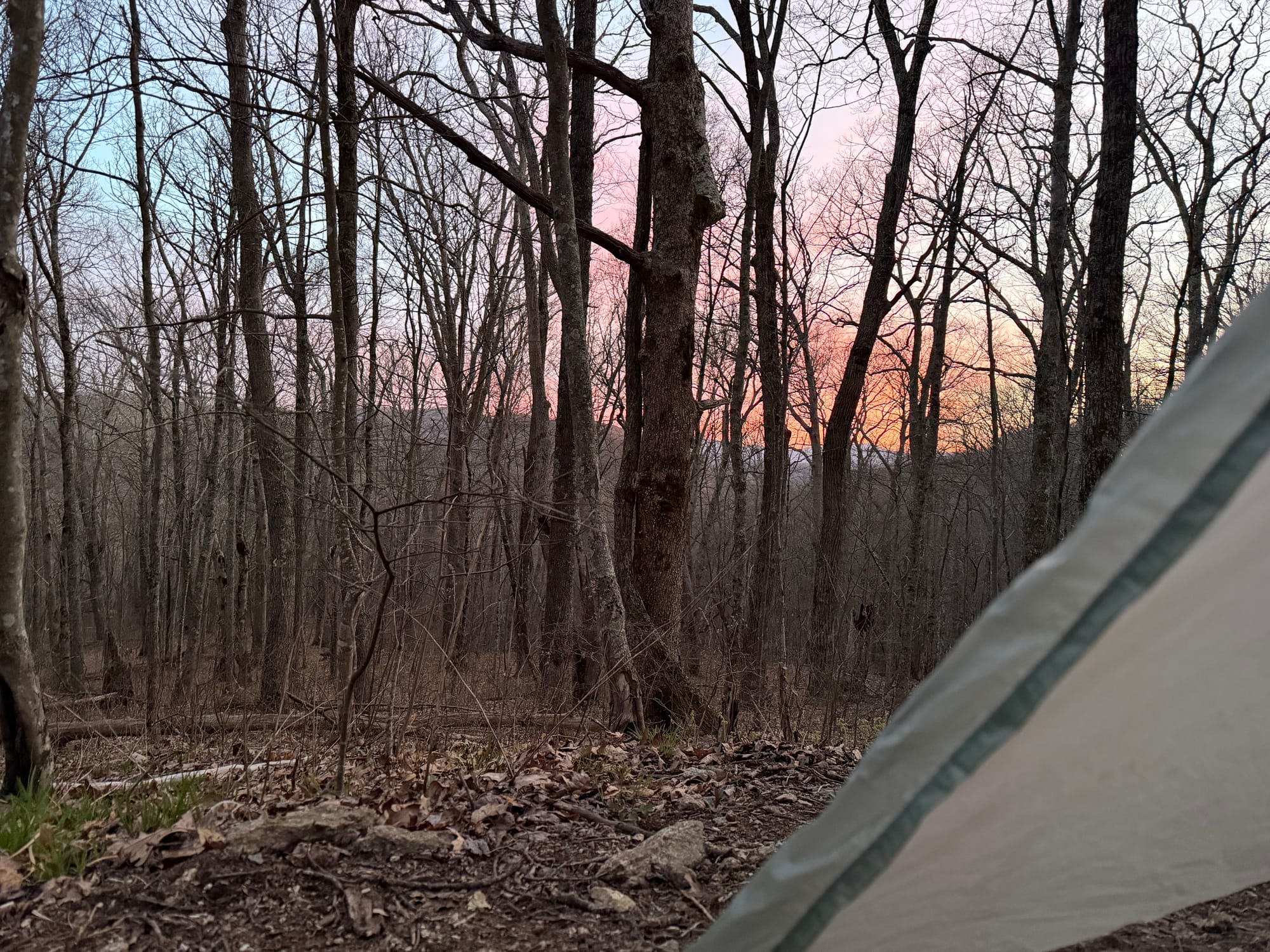
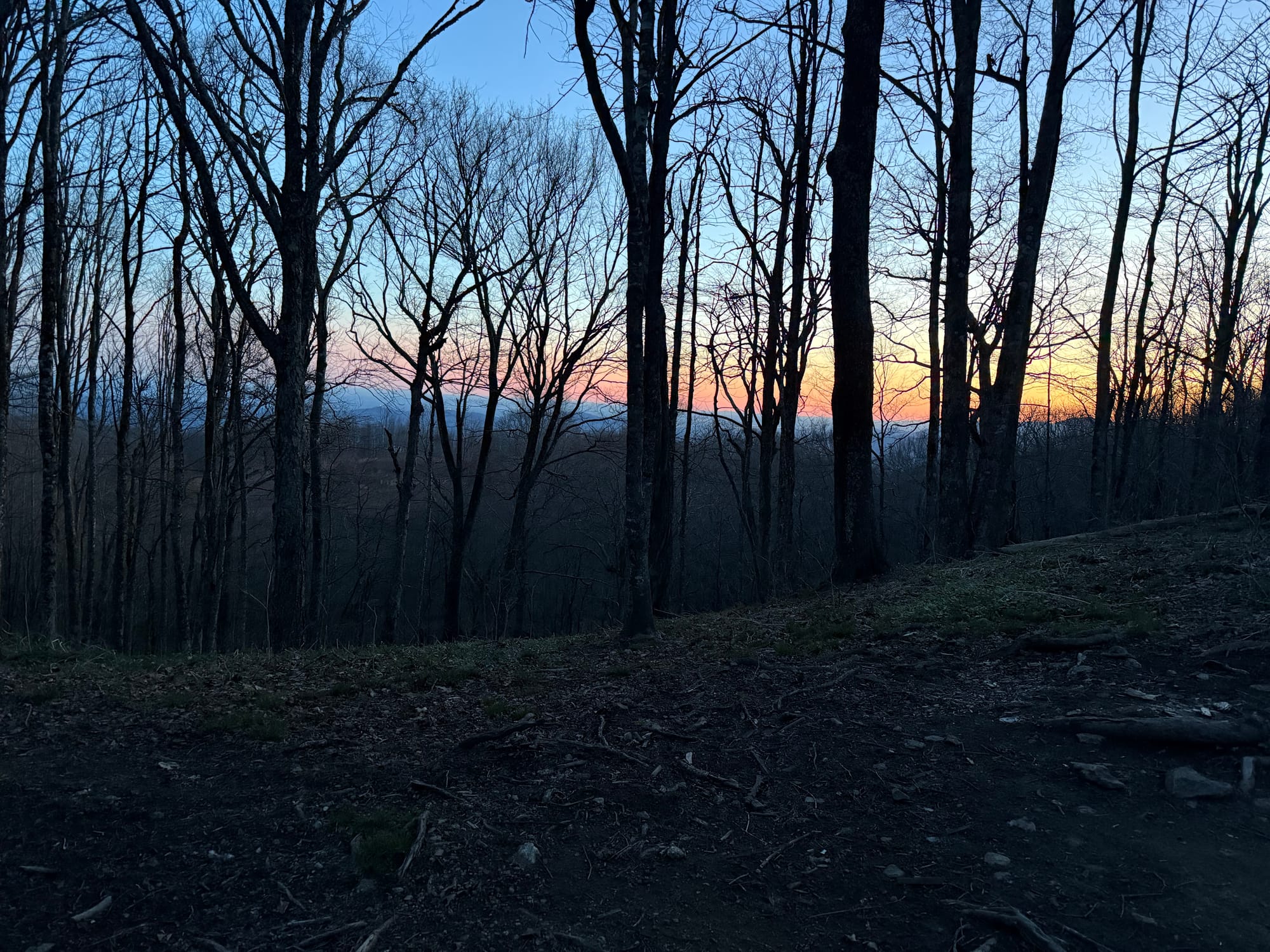
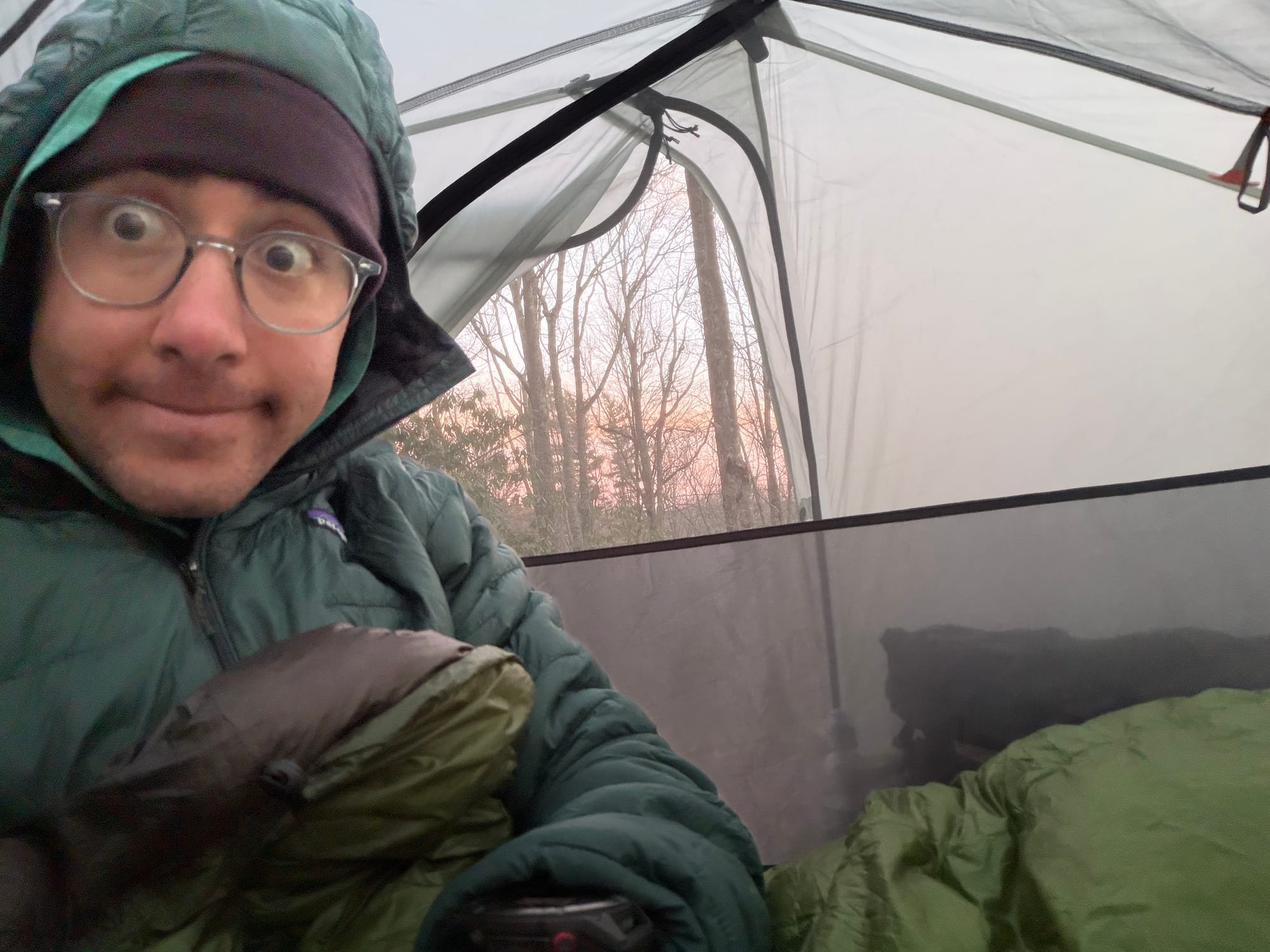
A nice sunset and sunrise view, from my tent
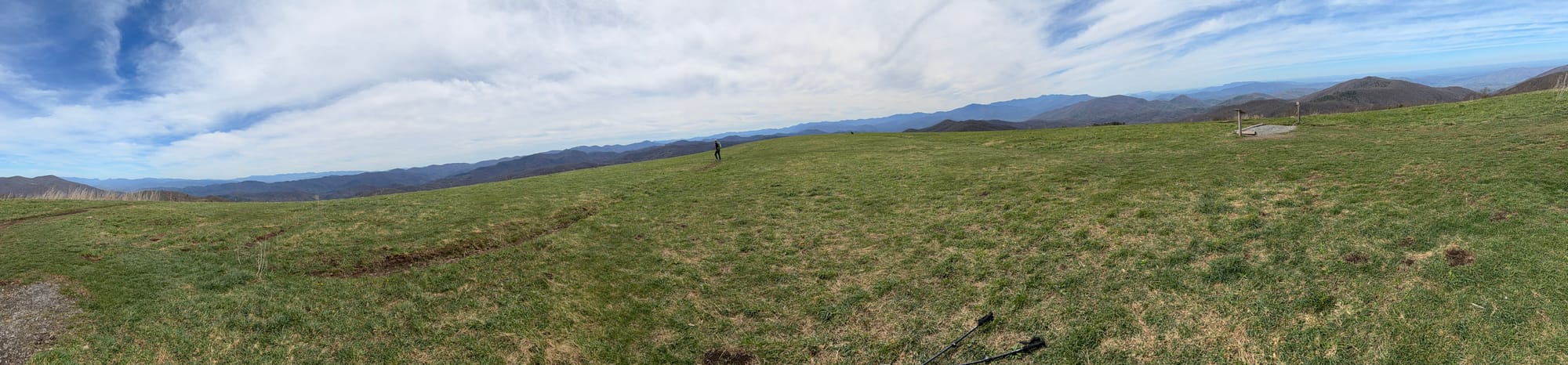
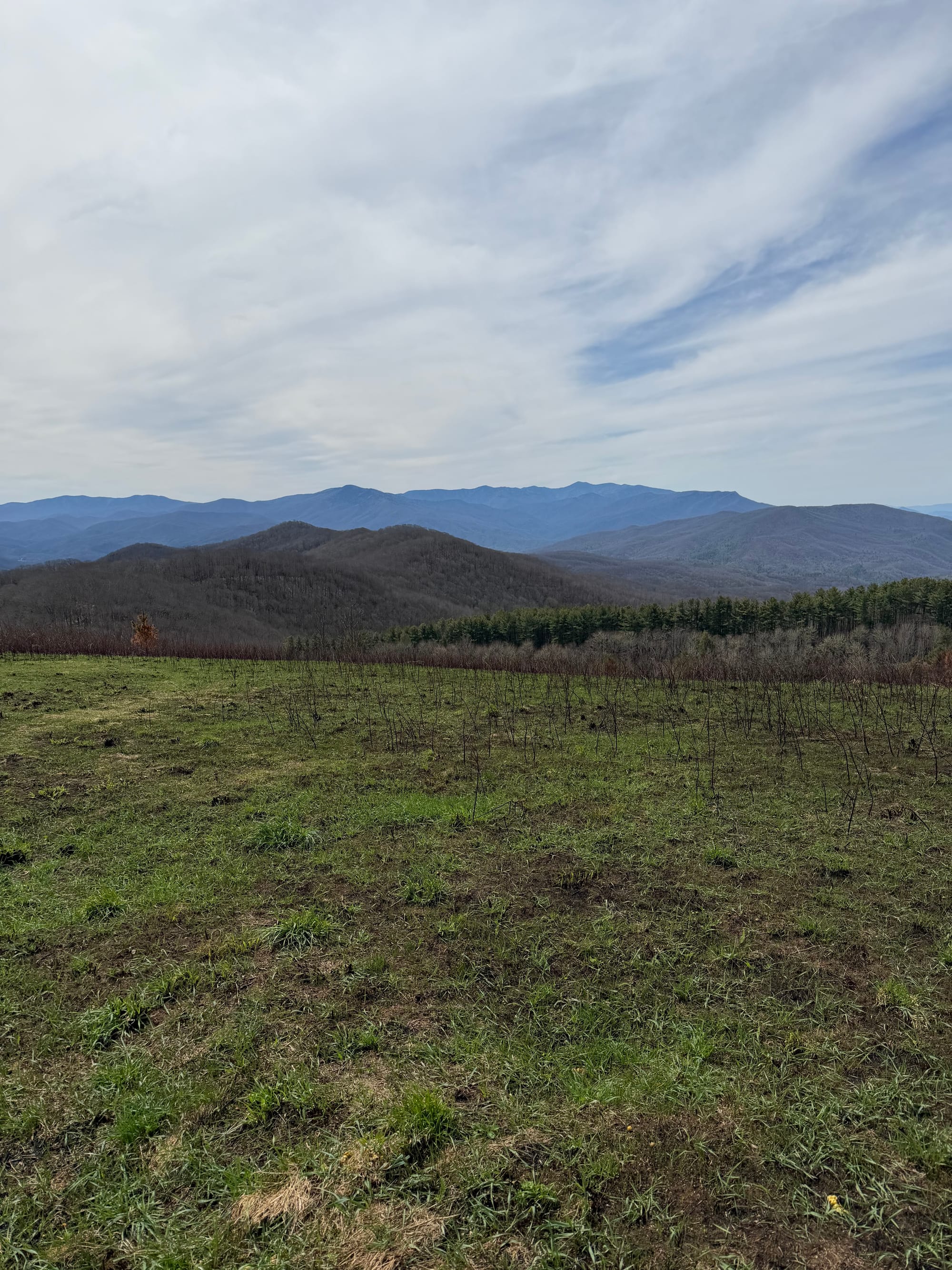
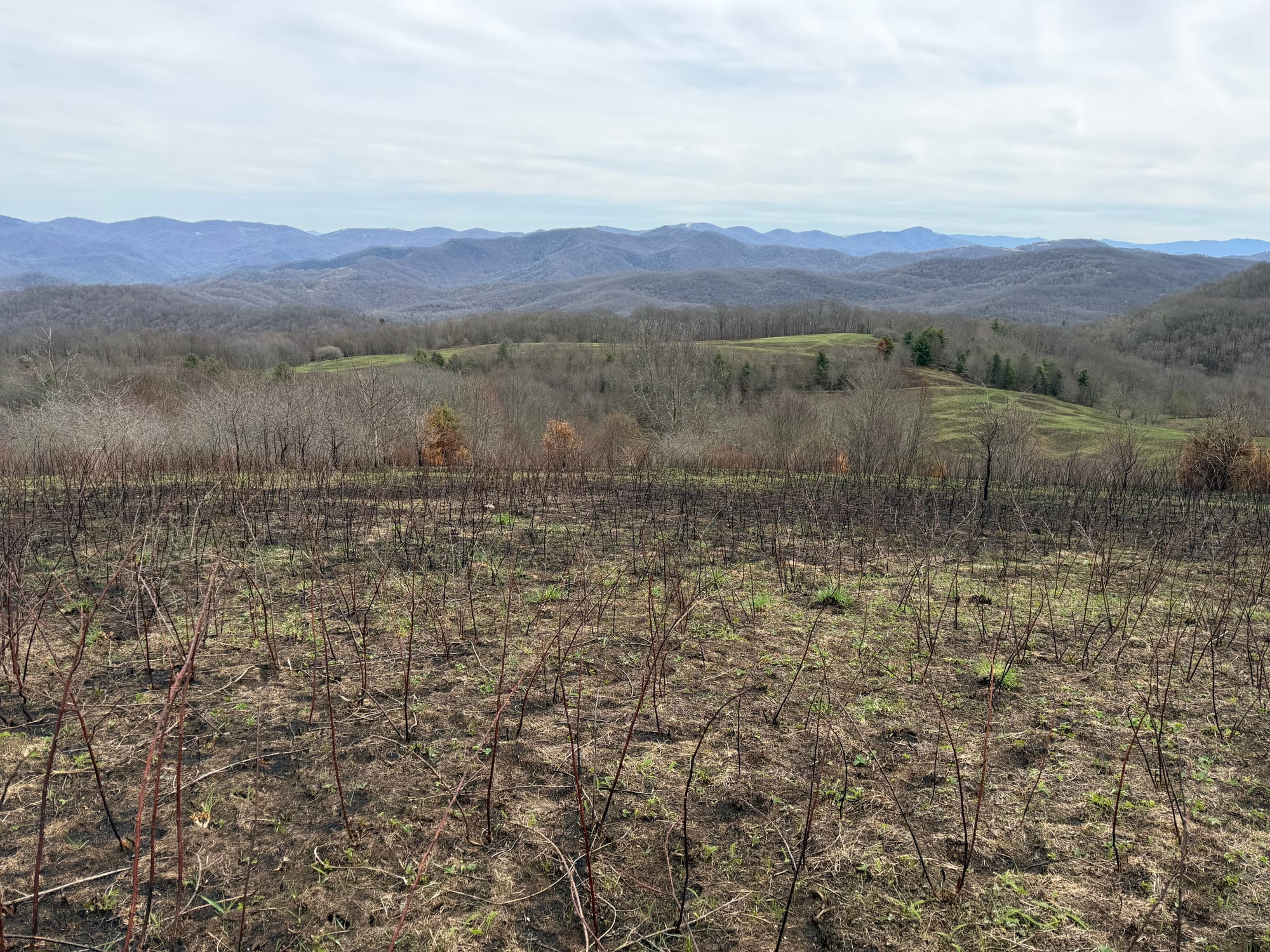
Probably my favorite summit yet, Max Patch. Completely exposed grassy field for about a mile at the summit
